

Late Summer School II | Archive as Invitation
About Late Summer School
Late Summer School was initiated by X Zhu-Nowell (Executive Director and Chief Curator, Rockbund Art Museum) in 2024 out of the AUUUUDITORIUM programs, where each month unfolded around a different theme—artistic research, popular music, cinema, science fiction literature. Together, these gatherings formed a moving curriculum of collective study. From this momentum grew the idea of a format that could return each year, carrying the spirit of AUUUUDITORIUM into the museum’s long-term programming. Thus Late Summer School emerged.
At its core, Late Summer School resists static models of education. It privileges circulation, improvisation, and redistribution, creating conditions where study takes shape as performance, rehearsal, or assembly. Each edition is entrusted to a guest—a scholar, artist, or collective—invited to design a curriculum that proposes alternative histories, solidarities, and modes of knowledge production. Timed with the passage from summer to autumn, the school seizes this transitional moment to convene learners and guides in a shared space of thought and practice. More than a program, Late Summer School is a commitment: to sustain experimental pedagogy within the museum, and to affirm study itself as a radical, collective form of art.
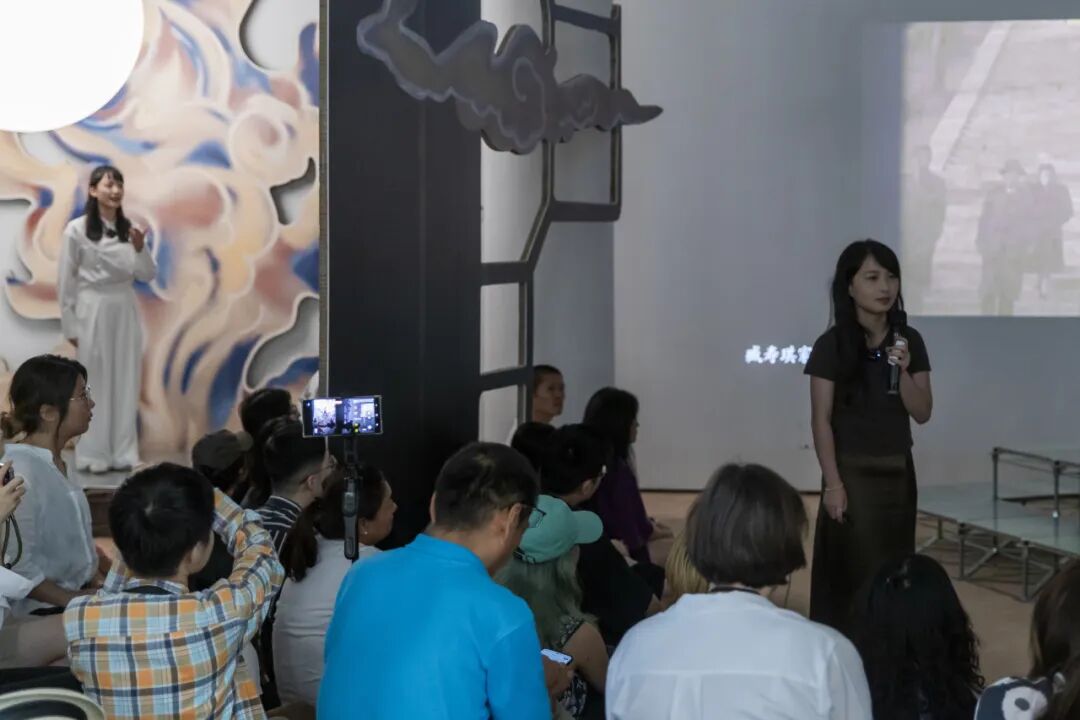
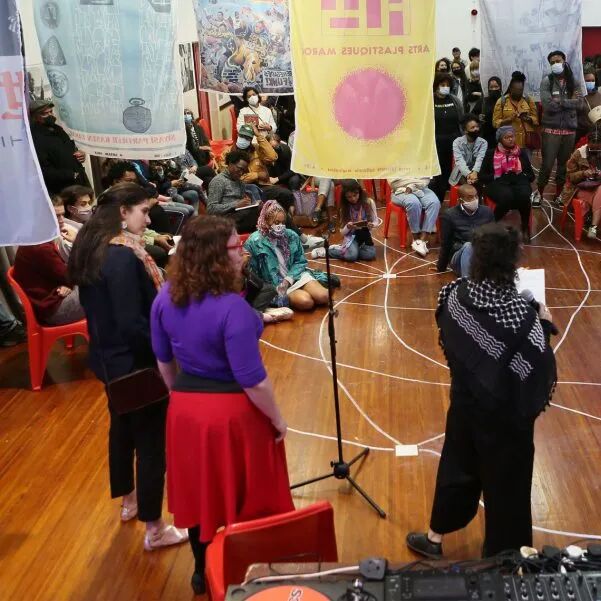
Event documentation, Late Summer School I: Shanghai Inside/Out, Rockbund Art Museum, Shanghai, Aug. 3, 2024. © Rockbund Art Museum, Shanghai. Photo: Cui Yunjun.
Archive as Invitation
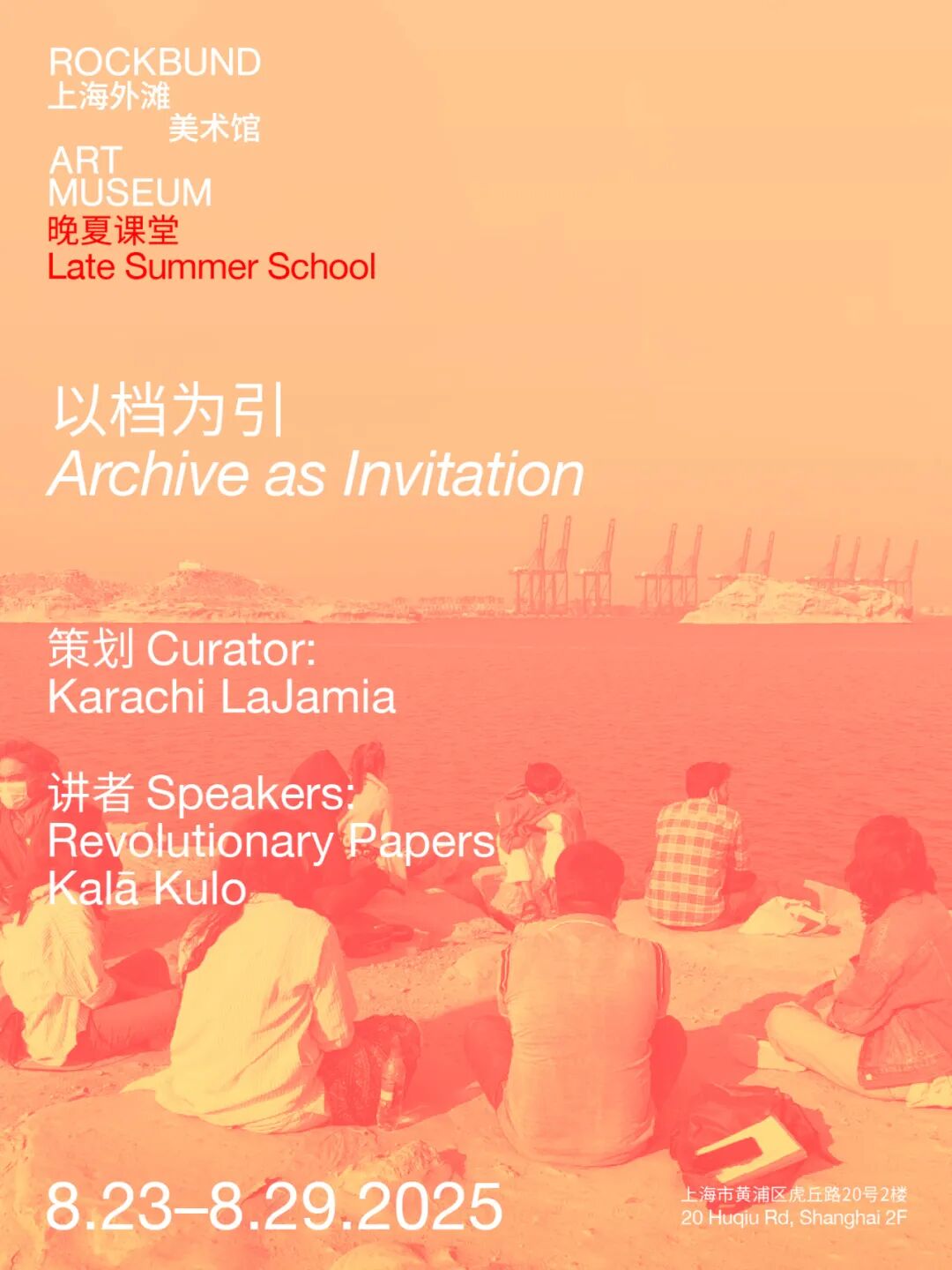
Late Summer School II: Archive as Invitation, designed by Karachi LaJamia, in collaboration with Revolutionary Papers and Kalā Kulo, will introduce participants to diverse archiving practices. Taking place from August 23 to 29, including a public sharing session on August 23, Archive as Invitation explores how the practice and process of archiving can nurture and summon expansive collectivities across space and time. We will examine the impulse to archive against erasure, exploring a wide range of archival methods and materialities. We are interested in the archive as a creative and imaginative practice, as a site of abundance that enables and enlivens unexpected solidarities, community-building, political imaginaries, and cultural practices.
We invite participants from any and all disciplines who are engaged in some form of archiving, collecting or gathering: From personal family histories to expansive datasets; from museum workers and librarians, birdwatchers and botanists, to crate diggers and coders. We encourage participants who are interested in exploring the ways in which our archives are invitations and offerings, however humble, for connection, convergence, and collectivity.
Archives here are not sites of preservation, not the places we bury our dead, but sites of hospitality, visitations, and participation. We approach each other’s archives as living, vibrant spaces that call in and call upon camaraderies across old and new worlds.
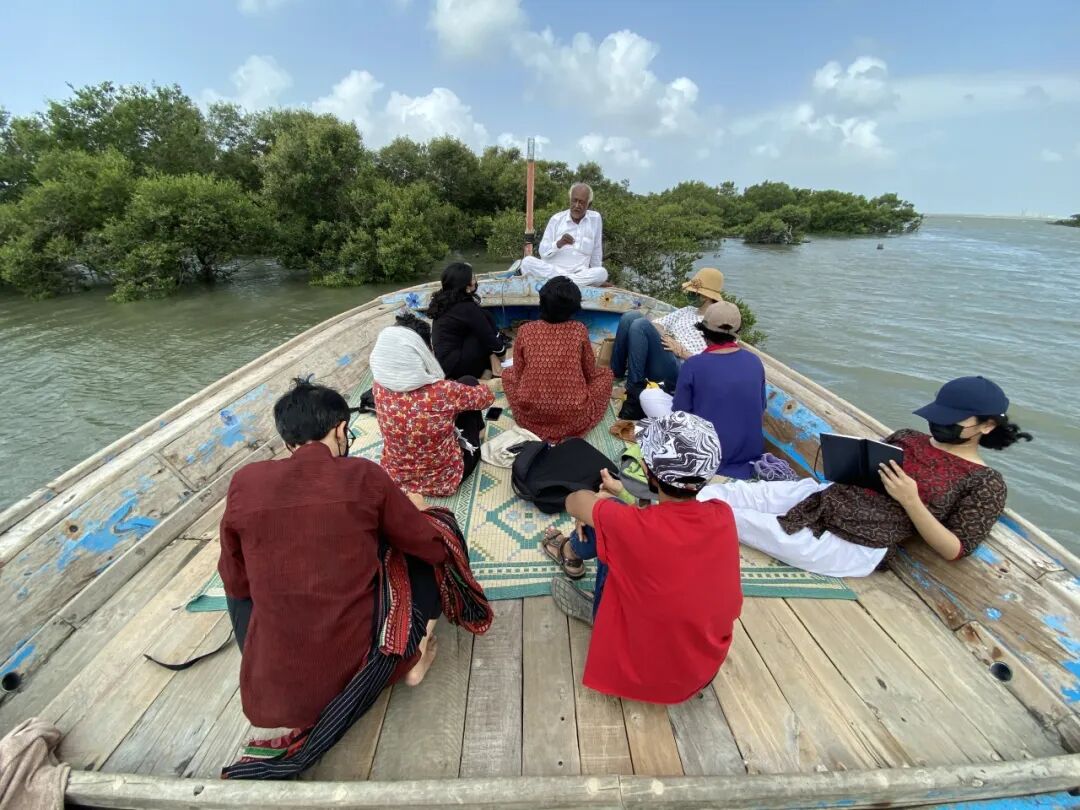
Event documentation, Karachi LaJamia, Our Watery Relations (Hamare Siyal Rishte), Khoj Studios, New Delhi, Jan. 31–Mar 12, 2024. Image courtesy of Karachi LaJamia.
Karachi LaJamia
Karachi LaJamia was founded in 2015 by artists Shahana Rajani and Zahra Malkani as a nomadic space moving outside the institution to explore new radical pedagogies and art practices. They have facilitated a series of site-specific courses and collaborative research projects to explore the intersections of militarism, climate crisis, indigenous dispossession, and knowledge production in Karachi, Pakistan. Their courses are developed in close collaboration with local organisations and activists to build solidarity with ongoing struggles around land and water in the city. They have experimented with a range of research and pedagogical methods, resulting in experimental publications, video works, scholarly texts, browser-based artwork, syllabi, and workbooks.
In 2024, Karachi LaJamia received support from the RAM Commissions program.
Public Lecture: Karachi LaJamia’s introduction to Archives as Invitation
With Presentations by Kalā Kulo and Revolutionary Paper
English
Aug. 23, 2025 (Saturday)
16:00–18:30
RAM 2F, Bunker
7 billion Nula Bills (RMB 49)
*Free admission for participants
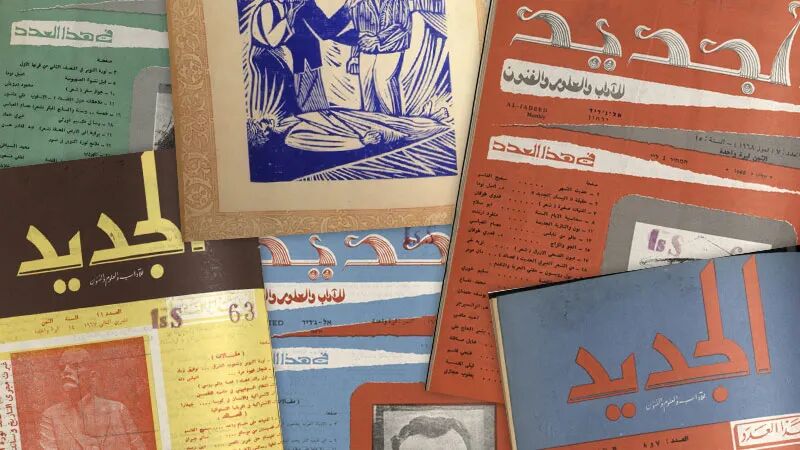
Al-Jadid, an Arabic-language journal first issued in 1953 in Haifa, Israel. Image courtesy of Revolutionary Papers.
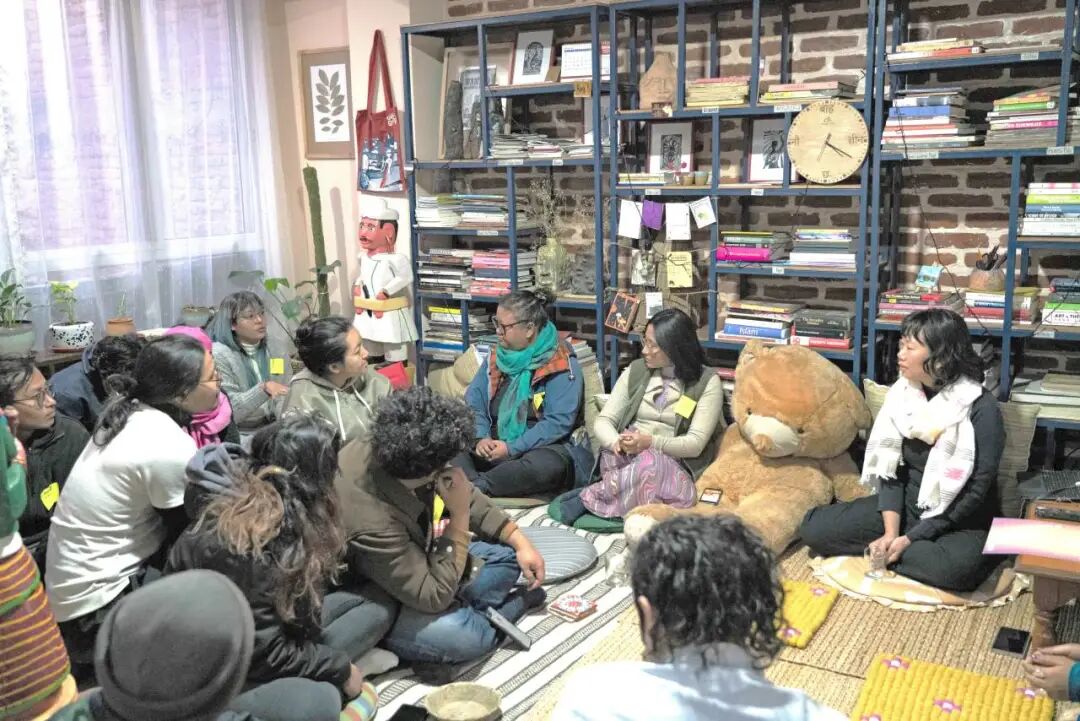
Event documentation, Kalā Kulo, Curating & Care, Janurary, 2024. Image courtesy of Kalā Kulo.
Scan to reserve for the lecture
Course Schedule
Aug. 24, 2025 (Sunday)
10:30–16:00
Movement Archiving in the Global South
Presentation by Karachi LaJamia
Seminar and case study of an archive led by Revolutionary Papers
Aug. 25, 2025 (Monday)
10:30–16:00
Archiving Art/Knowledge Histories
Seminar and case study of an archive led by Kalā Kulo
Discussion around the work of Nina Subnani and Khandakar Ohida
Aug. 26, 2025 (Tuesday)
10:30–16:00
Land as Pedagogy
Seminar and case study of an archive led by Karachi LaJamia
Participant presentations & discussion
Aug. 27, 2025 (Wednesday)
9:30–19:00
Field Frip
Aug. 28, 2025 (Thursday)
10:30–16:00
Archiving Exercises/Experiments
Exercises and group discussions
Listening session
Report back and reflections
Aug. 29, 2025 (Friday)
10:30–16:00
Archiving Collectively
Discussion led by Karachi LaJamia, Kalā Kulo and Revolutionary Papers on archiving collectively and the future of work
Reflections/discussion on participants’s archiving projects
Revolutionary Papers
Revolutionary Papers is an international, transdisciplinary research and teaching initiative on anticolonial, anti-imperial and related left periodicals of the Global South by Hana Morgenstern, Koni Benson, and Mahvish Ahmad. It includes over a hundred university-based researchers, as well as editors, archivists, and movement organizers from around the world. The initiative looks at the way that periodicals—including newspapers, magazines, cultural journals, and newsletters—played a key role in establishing new counter publics, social and cultural movements, institutions, political vocabularies, and art practices. Revolutionary Papers traces the ways that periodicals supported social, political, and cultural reconstruction amidst colonial destruction, building alternative networks that circulated new political ideas and dared to imagine worlds after empire.
Hana Morgenstern
Co-founder and co-investigator of Revolutionary Papers, Associate Professor in Postcolonial and Middle Eastern Literature at Cambridge University, and a Fellow at Newnham College. Dr. Morgenstern is a scholar of Middle Eastern literature and cultural histories of the Left, with a specialisation in Palestine and Israel, including Jewish, Hebrew, Palestinian and Arabic literatures and literary cultures.
Marral Shamshiri
PhD candidate in International History at the London School of Economics. She is interested in the histories of socialism and internationalism, Third Worldism, and the global cold war. She is co-editor of the book She Who Struggles (Pluto Press, 2023).
Kalā Kulo
Kalā Kulo is a Kathmandu-based initiative dedicated to nurturing the flows and frictions of creative labor. Working across diverse fields and frameworks of knowledge production, the team explores materials and modalities of remembering and recalling. From gathering and archiving the works of Nepali modernist artists, to providing a relational space for reclaiming practices such as tattooing. Kalā Kulo’s curatorial efforts also function as interventions that collapse distinct histories of making and belonging. Recently, their projects have engaged deeply with themes of indigeneity, dislocation, identity, and speculation, using these as guiding points to reimagine connections between art, memory, and collective futures.
Priyankar Bahadur Chand
Co-founder of Kalā Kulo, curator, researcher, and writer incorporating archival and field-based methodologies in his works. His ongoing study includes assembling and contextualizing the Muktik Dagar archives, looking at the long history of disease and territory in the Tarai, recording body marking traditions along the Indo-Nepal borderlands, and exploring the visual historiography of cultures across the Himalayas.
Bishal Yonjan
Visual artist and curator, based in Kathmandu. He is part of Kalā Kulo, where he works on a series of archives contextualizing the contributions of artists who have been central to introducing novel artistic vocabularies to Nepal in the 20th century.
Application
Course language: English
Dates: Aug. 23–29, 2025
Campus: RAM 2F, National Industrial Bank Building 4F
Tuition Fee: 60 billion Nula Bills (RMB 420)
The program is open to individuals of all ages and backgrounds. Selected participants are expected to attend all scheduled sessions in full. All required reading materials will be provided to participants.
How to Apply
All applicants need to send the following materials to info@rockbundartmuseum.org through email by 23:59 on August 15th, 2025. All materials should be submitted in English.
1. A statement of interest within 300 words, sharing with us a short introduction to your archive practice and describing the content of your practice.
2. 1–3 images as a visual introduction to your archive practice. Our understanding of “archive” here is open and expansive—any form of collection, no matter how small or specific, is worth sharing.
3. CV/Resume.
We will notify selected participants by email on August 18th.
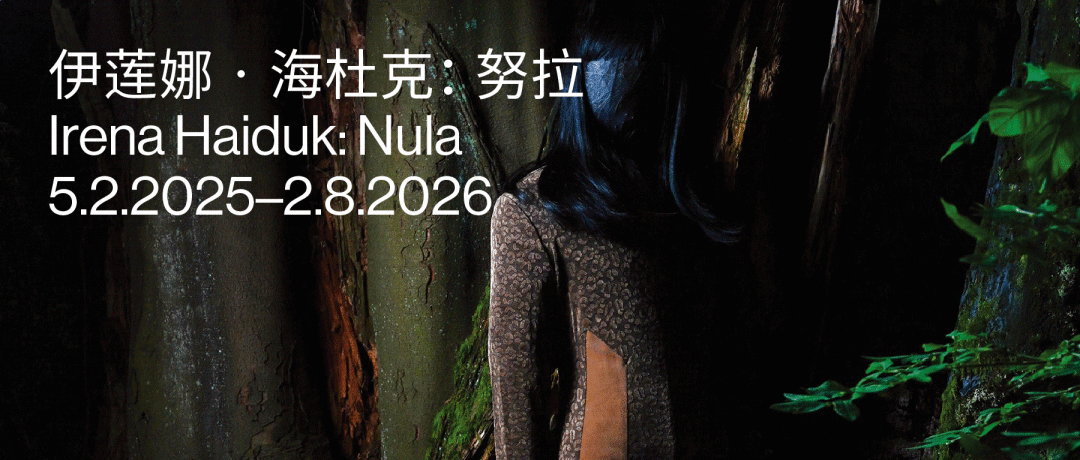
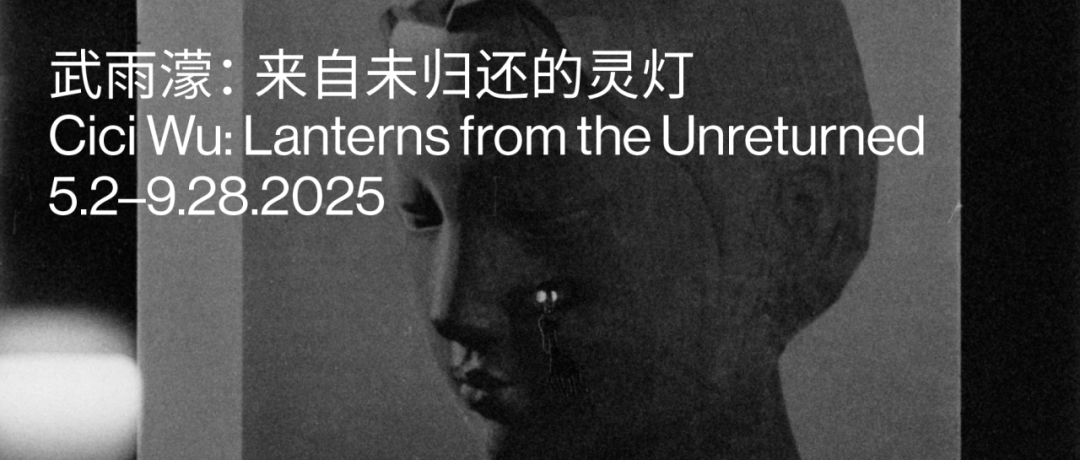
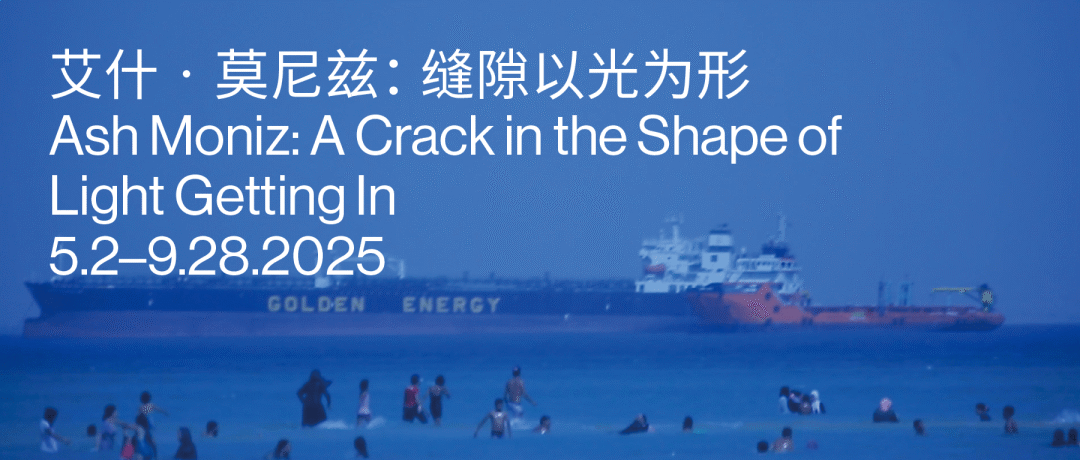
Guided Tour
Guided tours are available every Friday, Saturday, and Sunday. For details and booking, please scan the code below.
本文首发于 CASIN 微信公众平台。
查看原文 ↗