

调研笔记|Amalina:CASIN Field Trip to Yiwu & Jinhua

CASIN
2023年11月25日-11月26日,上海中非关系研究网络(China-Africa Shanghai International Network,CASIN)开展了以「义乌行,体验和感受中非交往魅力」为主题的义乌-金华行活动。
我们特别推出“调研笔记”系列推送,分享研学团成员们的所见所得、所思所想,期待进一步的思想碰撞与交流。本篇为系列推送第3期:来自Nurul Amalina Suprem的《China-Africa Shanghai International Network (CASIN) Field Trip to Yiwu & Jinhua》(以下是其英文原文)。
1
关于作者
about author
Nurul Amalina Suprem graduated from Universiti Brunei Darussalam and is currently doing her MA in Modern Chinese Studies at Shanghai Jiao Tong University. Her research focuses on the role of soft diplomacy in shaping interactions and emphasizes its impact on regional geopolitical discourses between China and Southeast Asia.
上海中非关系研究网络(CASIN)
“义乌-金华”研学活动调研笔记
Gratitude first and foremost to the China-Africa Shanghai International Network (CASIN) and the Institute of Economic Sociology and Multinationals (IESM), Shanghai University for orchestrating this insightful field trip. Having been chosen to participate in the CASIN event is an honour, and as I reflect, I realize that the YIWU-CASIN event was not just an educational endeavour but a journey into the depths of international relations. The program provided a unique window into the intricate tapestry of China-Africa relations, an experience, woven from the threads of academic inquiry and cultural exchange, thus, offered an unparalleled glimpse into the multifaceted China-Africa relations. The program also showcases, the importance and uniqueness of Yiwu as the hub of commodity. Embarking on this journey alongside my peers from Shanghai Jiao Tong University, and under the guidance of our esteemed lecturer Flair Donglai Shi, I found myself teetering between anticipation and scepticism. In reflecting on these experiences, I am deeply grateful for the opportunity to witness firsthand the nuances of the China-Africa relations. However, this gratitude is accompanied by a sense of responsibility. It is imperative that we, as students and scholars, approach this relationship with a critical eye, acknowledging its potential while also being cognizant of its pitfall.
The cultural tapestry became evident at our first stop in Yiwu, where a 'halal' restaurant, adorned with writings in various languages, offered a snapshot of global interconnectedness. This encounter was a reminder of the nuanced complexities inherent in cultural assimilation and representation in today’s interconnected world. It also highlighted the importance of cultural sensitivity and understanding in fostering positive international relations.
The formal commencement of the program was marked by our visit to the Exit and Entry Administration Department of Yiwu Public Security Bureau. Inside the building, an array of informative displays about Yiwu greeted us, with one particular piece catching my attention -‘The Seventh Five-Year Plan’. While my current understanding of this plan is somewhat limited, it sparked a keen interest. This aspect of Yiwu’s strategic development, though briefly touched upon during our visit, is something I am eager to explore more thoroughly. It's a critical piece of the puzzle in understanding Yiwu's, and by extension, China's approach to urban and economic planning. My curiosity about this plan is not just about the specifics of the strategies it entails, but also about its broader implications on local and international levels, particularly in the context of the evolving China-Africa relations.
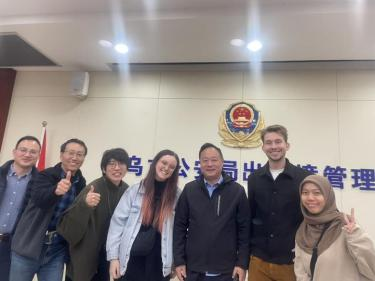
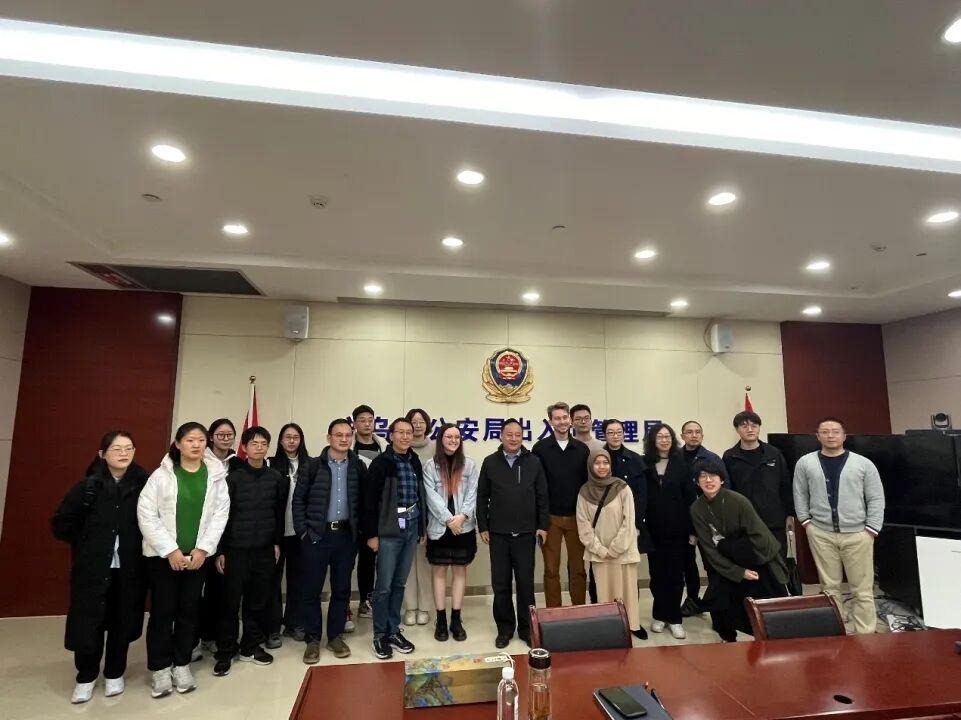
The Q&A session revealed underlying tensions. Questions about foreigner visas and the absence of international flights to Yiwu hinted at deeper issues of immigration control and the specter of illicit activities. These insights painted a picture of Yiwu not just as a commercial powerhouse but also as a city grappling with the complexities of international trade and migration.
Our visit to the wholesale store was also the culmination of our first day. The enormity of the six-floor building, with its endless rows of products, was overwhelming. It was a place where one could easily lose themselves, both literally and metaphorically, amidst a sea of commodities. As we navigated through the bustling markets of Yiwu, the experience was more than an observation of commerce.
The visit to the Institute of African Studies at Zhejiang Normal University (ZNU), commenced on the second day, was particularly enlightening yet disconcerting. We had the opportunity to be enlightened by the establishment of the China-Africa museum in ZNU.
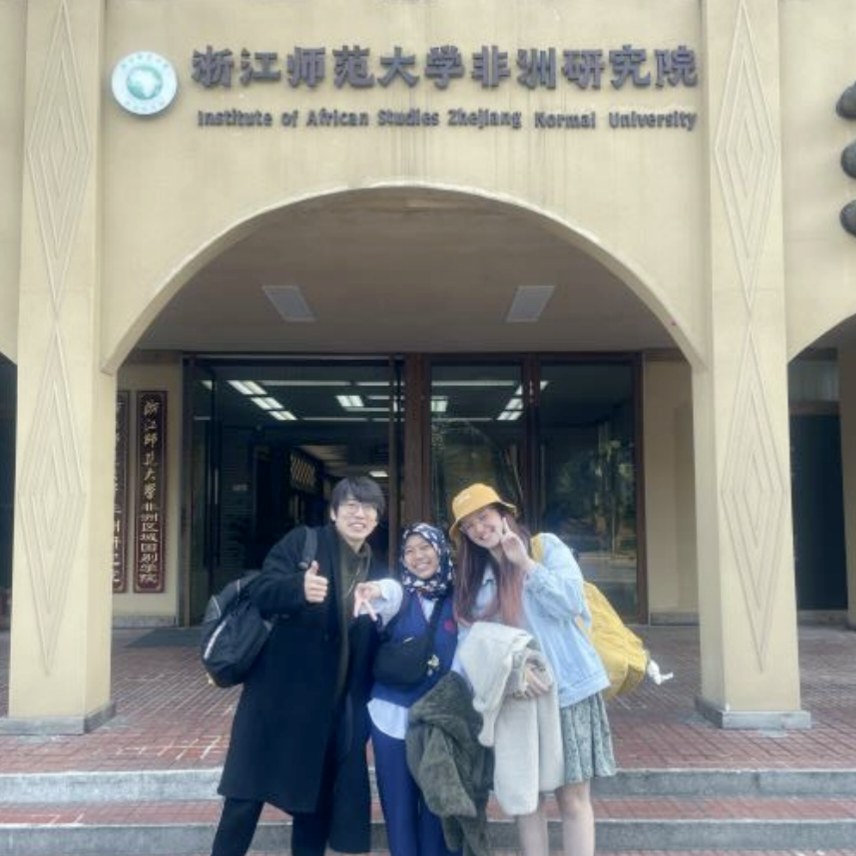
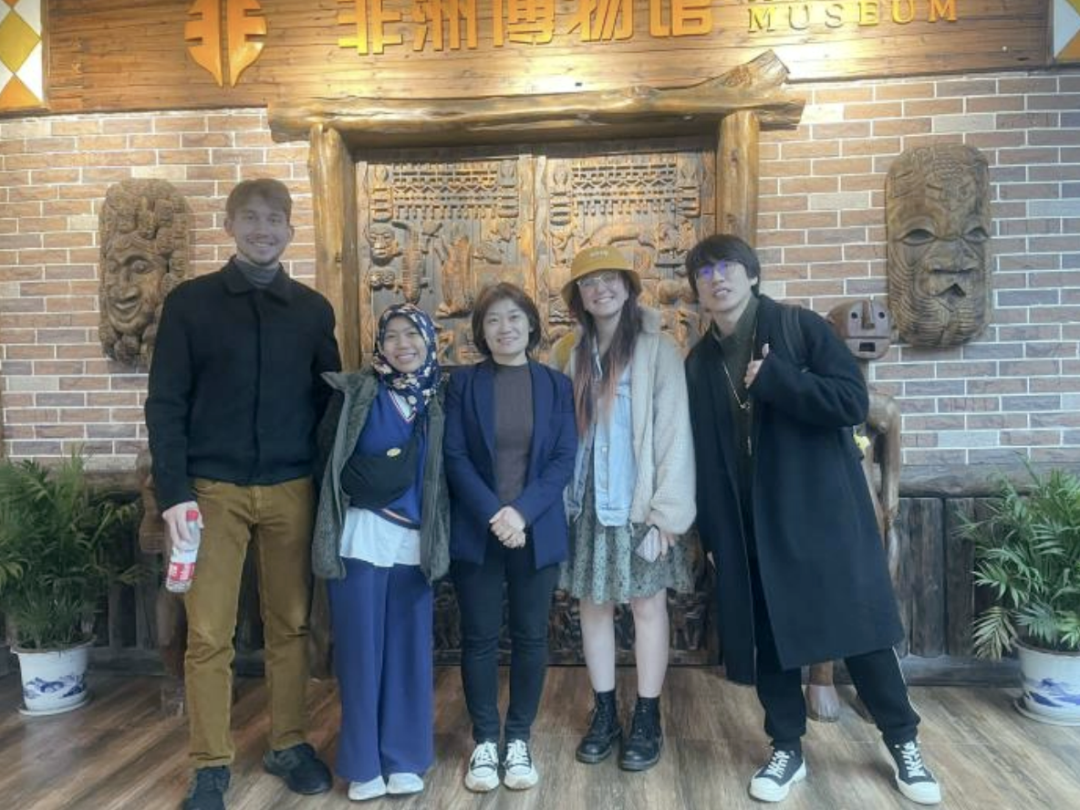
The bilingual museum, while accessible, raised the curtain on the linguistic and cultural challenges inherent in studying Africa within a Chinese framework.The reliance on English, a residue of colonial legacies, brought to the forefront the delicate power dynamics that continue to influence how Africa is perceived and studied in China. The translations, though necessary, sometimes felt inadequate, possibly altering the essence of the messages, and thus shaping perceptions of the China-Africa relations in subtle but significant ways. However, throughout the visit, the conspicuous absence of African voices during the visit was a glaring omission.
It was a stark reminder that for the relationship between China and Africa to evolve beyond the realm of economic transactions and into a realm of mutual understanding and respect, both parties must be equal participants in the dialogue.This was not just an academic oversight; it was a reflection of a broader issue in international relations, where often one party's narrative dominates. As I pondered these complexities, it became increasingly clear that the relationship between China and Africa is fraught with contradictions and challenges. On one hand, there is a burgeoning economic partnership that promises growth and opportunity. On the other, there are undercurrents of historical imbalances and cultural misunderstandings that threaten to undermine this partnership.

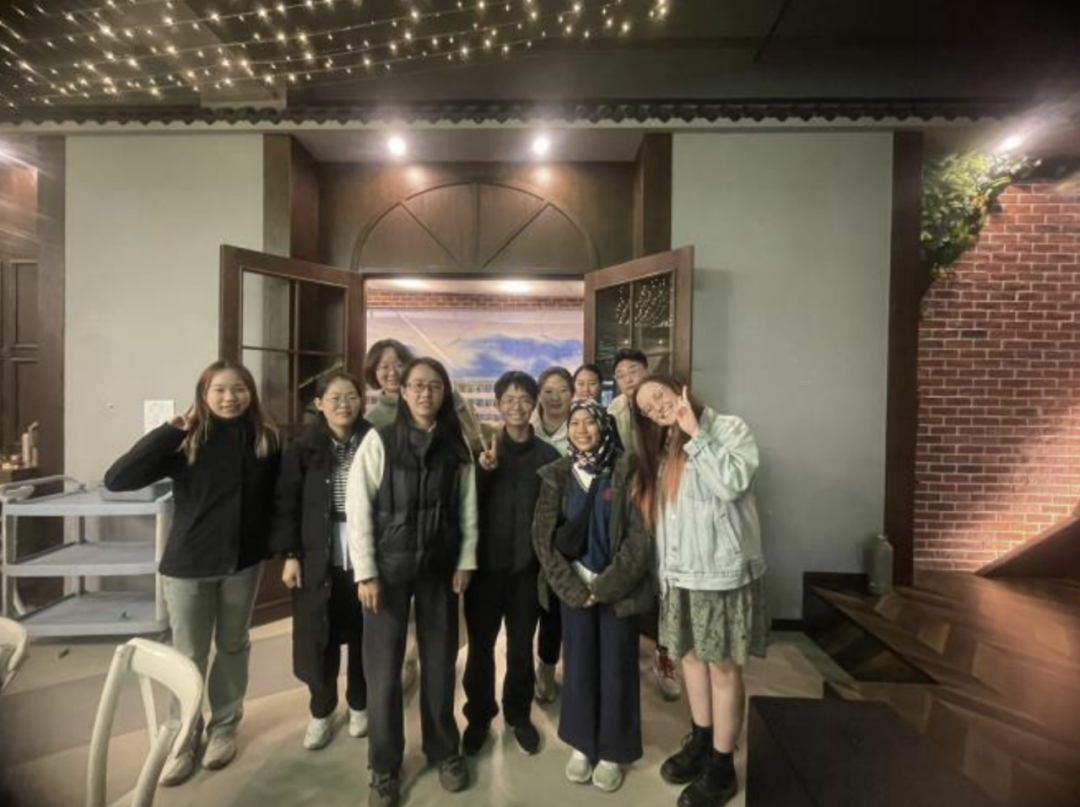
Another striking and heartwarming aspect of our visit was the exceptional hospitality of the students from ZNU. Their eagerness to engage, share, and learn was not only a highlight of the trip but also a vital component of building cross-cultural understanding. These interactions went beyond academic exchange. They were the seeds of potential diplomatic relationships, particularly significant given my background from Brunei Darussalam. The warmth and openness of these students exemplified the immense potential of people-to-people connections in shaping international relations.
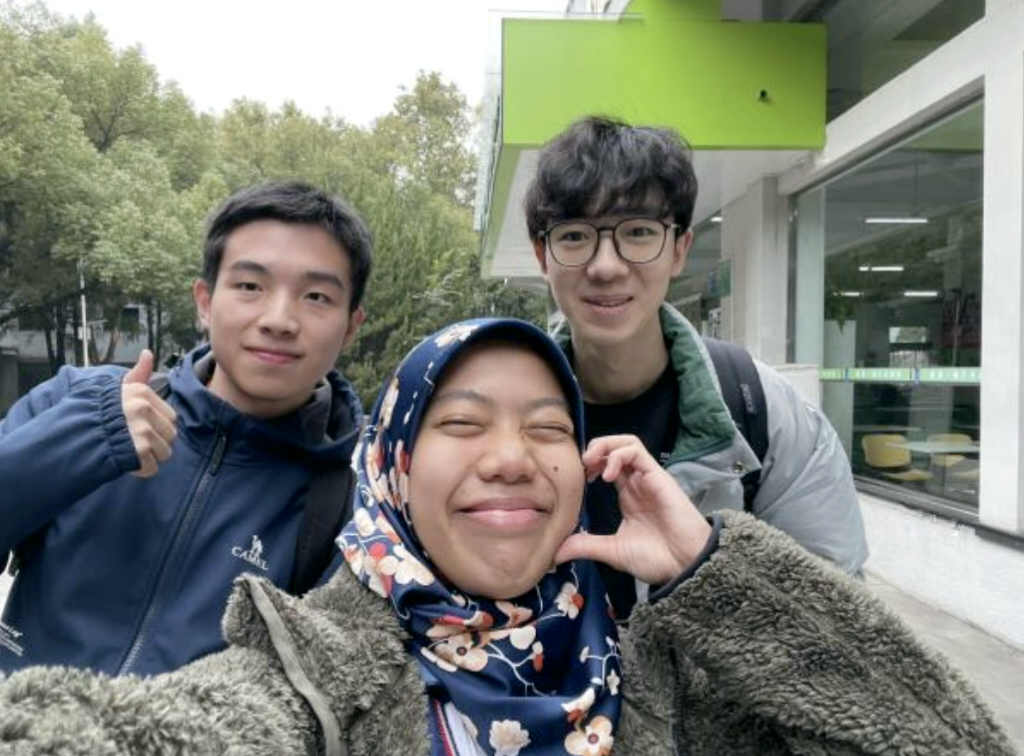
Additionally, I recognize the critical role that institutions like CASIN and IESM play in advancing the conversation about China-Africa relations. Their efforts in organizing events such as the YIWU-CASIN are essential in bridging gaps in understanding and fostering a more nuanced dialogue. However, the experience also highlighted areas where further improvement and inclusivity are needed. The future of Africa-China relations hinges on a balanced narrative, one that recognizes the economic opportunities but also addresses the cultural, linguistic, and historical complexities. As the next generation of scholars and practitioners in this field, we must strive to build bridges of understanding and cooperation that are rooted in equity and mutual respect. This journey has reinforced my commitment to contribute to a more nuanced and equitable discourse on international relations, particularly between China and Africa.
In conclusion, this journey has been an invaluable experience, providing a unique perspective on the evolving dynamics of China-Africa relations. The friendships and connections made, particularly with the students from ZNU, have opened doors to potential diplomatic avenues for Brunei Darussalam, underscoring the significance of personal connections in international relations. As we move forward, it is these connections, rooted in empathy and mutual understanding, that will pave the way for a more inclusive, balanced, and harmonious global community.
本文观点仅代表作者本人
★
认识我们
上海中非关系研究网络(CASIN)是中国人在非洲/非洲人在中国研究网络(Chinese in Africa/Africans in China Research Network,简称CA/AC)的地方网络分会。后者是目前全球最大的独立、跨学科、致力于中非交往的研究网络,成立于2007年,旨在以批判性、建设性的方式推动关于中非的全球对话,发展一个重视对话、公平和包容的跨国学者和从业人员社区。目前,CA/AC研究网络在世界各地已拥有超过1000名成员,涵盖来自学术界、外交界、媒体和通信、艺术和人文学科以及国际发展领域的专家。
推动全球对话,讲好中非故事。
供稿丨Amelina
编辑丨袁子龙
本文首发于 CASIN 微信公众平台。
查看原文 ↗