

Zanafy《奶奶的幸运竹笋》|中非写作大赛获奖作品
CASIN
由上海中非关系研究网络(CASIN)举办的第一届全球中非写作大赛(The First Global China-Africa Writing Competition)于2024年11月在复旦大学举办的“跨国史视野下的非洲左翼思潮与运动”国际研讨会上正式落下帷幕。本次大赛由上海交通大学的施东来老师策划统筹,并获得复旦大学孙遇洲老师带领的CASIN团队的倾力支持。
本届大赛评委团由程莹(北京大学)、张勇(浙江大学)、袁明清(埃尔朗根-纽伦堡大学)和Ignatius Suglo(里士满大学)四位老师组成。评委们经过一个月的认真审稿筛选,共决选出了五位获奖者,其中非虚构类一等奖一名,虚构类一等奖一名,虚构类二等奖两名,虚构类荣誉奖一名。下面刊出的是本次大赛虚构类一等奖作品,来自Zanafy Gladys A.的《奶奶的幸运竹笋》(Granny’s Gift of Lucky Bamboo Sprouts)。该文写作原文为英文,首发于本次大赛非洲合作方肯尼亚网站The Elephant(链接见文末“阅读原文”),CASIN转发刊出。
我们和作者都希望该文能被翻译为中文,让更多中文世界的读者读到,如您有意愿成为该文的志愿翻译,还请联系我们。
邮箱:casinwriting@gmail.com
程莹博士的评价
该故事讲述了一段寻求归属感的邂逅之旅。故事的核心关乎跨代际和跨种族的女性情谊,也读者提供了慰藉。在这个充满裂痕和不确定性的世界里,家、关怀和同情照亮了中非未来充满希望的愿景。
This story unfolds as a journey of encounters in the quest for belonging. The intergenerational and interracial bonds among women not only sustain the two families at the heart of the story but also provide solace to us, the readers. In a world fraught with fractures and uncertainties, home, care, and empathy illuminate a hopeful vision for the future of Africa-China.

Photo: Eleonora Albasi on Unsplash
Granny’s Gift of
Lucky Bamboo Sprouts
Zanafy Gladys A
欢迎点击收听全文。该音频由The Elephant网站通过Trinity Audio生成。
Iarivo is one of those typical African urban agglomerations where too many people find themselves crammed in congested dwellings, disillusioned and exhausted by the daily hustle and bustle of trying to make a living in a poor country. Finding a place to live in such an overcrowded place is already hard, notwithstanding the rate of rent that takes up to two third of one’s pay – that is, if luck showered you with a job that pays; let alone finding a home for a large family of ten.
Most affordable apartments that we visited were either too small or simply ‘not fitting’, to paraphrase the words of a bewildered house owner, upon picturing our family moving in. Well, one has to admit it – given the already ambient pollution and noisy backdrop; it appears rather hard to welcome in an immobilized grandpa, three grown up sisters, one of whom is appended with an absent husband and two cute young toddlers, two younger brothers with a duo of bratty nephew and uncle still in their teens, and a cat.
Yes, this large family is what remains of the clan, after the siblings lost their parents in a car accident three years earlier and the youngest sister brought home a baby son out of wedlock. So, the middle daughter, aunty Soasoa, had to come up front and make sure that the whole lot could still function and move forward, unscathed.
It was not that most house owners were particularly bad; it is well known how large families are often risky due to the cost of maintenance after the kids break windows, draws on freshly painted walls, or unnerve the next-door neighbors with their noisy brawls. Notwithstanding the impractical extra-trouble caused by exploding toilet tanks. The elder sisters were almost at their wit’s end when they chance upon this advertisement posted on social media. The house in the picture looked old, and the offered rent was a bit above their budget but it was big enough to hold all of them. They immediately messaged the owner, requesting a visit and felt elated as a confirmation reply flew in. And it so happened that things turned out well.
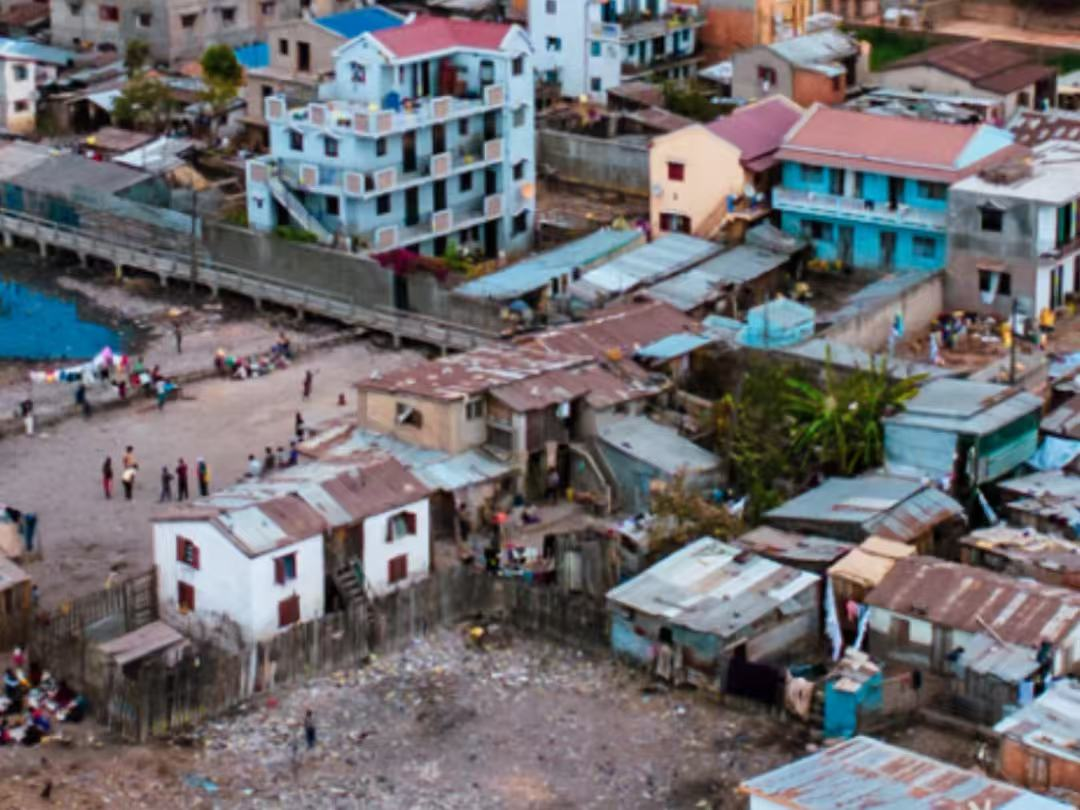
Photo: Worldbank
The day of their moving, the old lady who owned the place came to see them settle in. She looked so small and yet, so domineering with her slant eyes and thin lips, sporting a hint of a smile. The Chinese Granny’s shrill authoritative voice came in as a salvation that day. Amidst the ruckus from the running children, the meow of the nervous cat, the endless comings and goings of the movers and the pile of boxes, aunty felt like drowning.
She was awake from the early hours of dawn, directing people left and right to pack boxes, move or unpack more boxes and still deal with more boxes… A series of performances well maneuvered but still exhausting that flared up her naturally anxious character. Amused by Aunty’s abruptness and gaucherie, the old lady told her to ‘take it easy for things will eventually turn out fine.’ She too felt reluctant upon deciding to leave her house. This has been her home for as long as she could remember. Yet, she also knew that not many people of her age could boast to have the full support of their children. Looking at this family made her nostalgic. She too used to belong to a large family, back in the days when her grandparents and her parents were still around. She remembers how this house used to be so full of life and warmth.
That was back in the days, she thought, letting an unrepressed sigh escape. Now, she is leaving the house again, for the third time, to settle with her eldest son and his family in a newly-built house a hundred meters away, on the same street. Since the death of her late husband, her memory began to play riddles with her mind. Therefore, her sons told her they would feel more at ease if she stopped living on her own, despite much protestation and grunting on her part. Her two sons were doing well in their joint business partnership and the elder one just had a newborn. She felt her life could not be more complete; still she feels lonely too at times when she is left alone at home because everyone else has gone out about their day.
As they locked eyes, the two women instantly felt a sense of companionship, some intuitive common understanding that connects beings speaking the same language, that of experienced carers. They were both family-driven women although the expression of such a tendency would surely drive them years apart. Despite the mutual apprehension of all new encounters between people coming from different cultures and backgrounds, the appreciation between them is mutual and certain.
The Chinese Granny welcomed them with warmth, ushered the timid young women into the heart of her home and brought them some chamomile tea before she seated herself.
The younger one feels gratitude for the old lady’s generosity towards herself and hers; whereas the house owner probably saw in this frantic Aunty, a faded version of herself, the fierce and determined young woman who had to battle with the odds of fate and the naughtiness of a society where men prevailed to preserve her own family. The relationship started upon their first meeting and grew like bamboo sprouts to become the tight grasps of family ties, unforsaken.
When they came to visit the house, Aunty Soasoa and the youngest sister were both anxious, not knowing what kind of person would be waiting behind the door as they heard the buzzing of the doorbell they pressed. As it opened, a plump and round face, marked by time, wrinkled and an almost fading trace of beauty if not for the disarming smile that seated like a crowned authority in its middle was gradually revealed. The sisters exchanged a side look.
The Chinese Granny welcomed them with warmth, ushered the timid young women into the heart of her home and brought them some chamomile tea before she seated herself. As Aunty exposed her family situation, the Granny seated across from her did not seem shocked or affected in the least way. She felt tense, knowing fully well how house owners, the former ones they have met, did not like large families with young kids. They were seen as invasive, too loud, cost-risky and some people even mentioned how they get the toilet tanks filled quite quickly, adding to the already not-so-likable long list of their flaws. Hearing these complaints again and again, the young women felt such a sense of injustice and exclusion. Particularly when they belong to a culture, which is known for its cohesion, solidarity-prone community, and supportive ways… Yes, which African would deny home to his or her family when in need. It all sounded great in theory, but no one is willing to be understanding or complacent when you are threatening to explode the evacuation system in their expensive condominium. That is too much to ask!
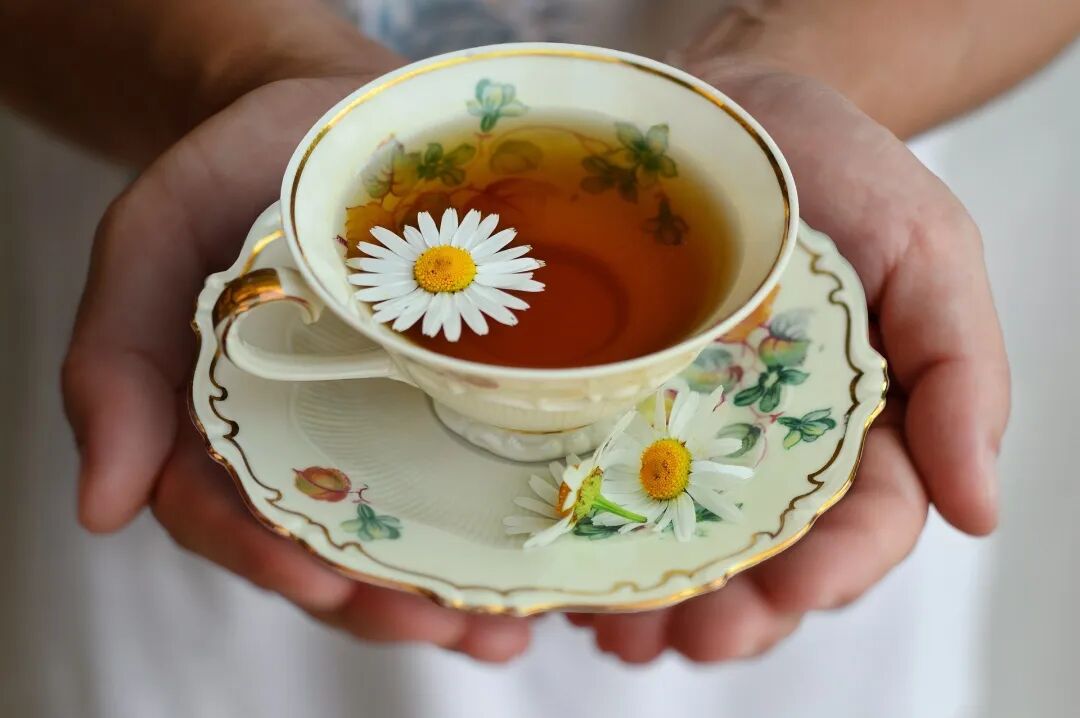
Photo: Chamomile Tea, itmustread.com
The old lady listened to her litany without moving an inch and nodded slightly now and then. Aunty thought the atmosphere seemed to augur well; so maybe, just this once, they would not be turned away because of their number or because they look ‘too foreign’ or any of the other lame excuses that were thrown at their faces during this long and painful house-hunting journey. So many hurdles that she never thought of appeared to discourage and defeat them. And to their surprise, the Chinese Granny told them she understands how hard it can be, for she had been there herself. She said not to worry, inviting them to come have a look around with a gesture of her hand.
‘This house has been my family home for more than fifty years now. My parents built the house when I was in my teens and I moved in with my husband and kids when they passed away. The garden is my favorite spot here. It reminds me of my mother, her care and her homing presence… ’
A deep sigh.
‘Don't worry so much about the rent. All that matters is that you like the place. If you do, then, you can move in next week. I’ll ask my youngest son to come straighten things up a bit, do some cleaning and you’ll be all set.’
It did not take long for the family to make the house their own and to feel at home in it. Aunt Soasoa has heard that a house becomes the people living in it, as it breathes their spirit and exudes their aura. She often finds herself wondering if that was true. She still feels that being in this house was something close to a miracle. She was musing and philosophizing over these when the ‘Chinese Granny’, as the kids have come to call her, appeared from the front door. She often dropped by to play with the young kids when she got bored.
She greets the two sisters who lifted their surprised eyes towards the door in sync. The old lady enquires about the reason why the youngest sister is thus sprawled over the couch in the living room with her face an iconic expression of pain and suffering. It has been about four hours now that she could not feel her back. Maybe she has been sitting in a bad position; her work requires that she remains seated for about ten hours a day. It is quite a torture.
Granny tells them that there is this plant in the garden, a sodifafana, which can help relieve muscle and joint pain. She went on, mentioning a few other plants from the garden that could cure common ailments. Aunty began to feel admiration and curiosity at all the care the old lady put into her garden, small though it is. The plants in her garden are obviously part of Granny’s hobbies and passion. She proudly pointed out to each species of plant and flower, where they came from and what wealth of wellbeing they were withholding.
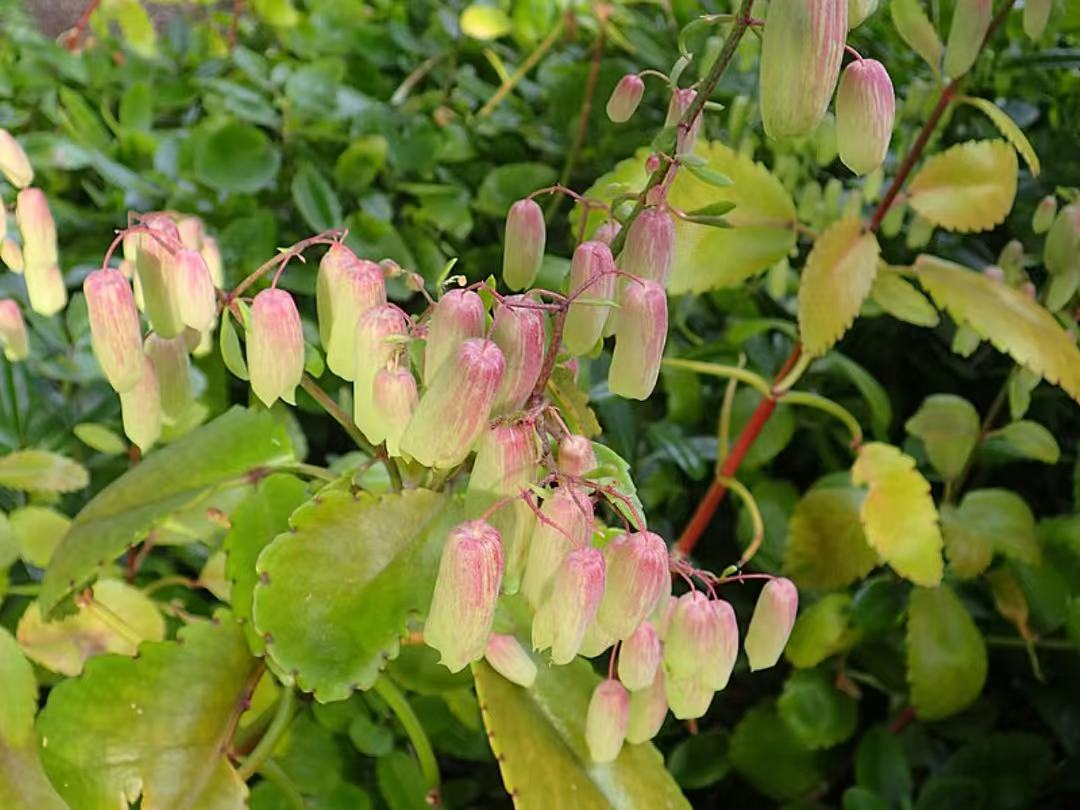
Photo: sodifafana, wikipedia
Indeed, Aunty remembers that on their first day, Granny also showed her a large pot with some lucky bamboo sprouts, on the east side at the house’s main entrance, and told her to keep great care of it for it brings health and prosperity to those who host it. ‘This one, under the window,’ she added ‘is a jade plant. It also brings luck in Chinese beliefs.’ Grateful for the woman’s kindness and concern for her family, Aunty thanked her and retorted that there is the same belief associated with a local plant called Hasina. As she spoke, she made a mental note to present Granny with that plant in the future. ‘Oh, you know we’re like family now… we take care of each other,’ the old lady stated.
Before Granny, she used to think that all Chinese people are so money-minded that they only cared about business and profit.
Neither of the sisters would have imagined that their relationship with the house owner would become this warm and friendly. Nevertheless, as they gradually come into contact with the Chinese Granny and her family, they realize that beyond the racial separation, they share a lot of values and principles. She often tells Aunty that it takes a lot of effort, a responsibility that often impedes on women, to keep a family together.
It was a pity how modern people would leave their elders in nursery homes instead of having them around to take care of their grandchildren. She definitely has some strongly-marked ideas about family ties. Soasoa did not say much for although she agrees with most of those ideas, she had to admit that she has always wanted a life of her own. Just like the majority of young women of her generation, she reckons that family care – like any other form of love and attachment – does not need to take so much of a woman’s time and energy. Still, there have been some changes in her attitude of late. A new face representing the Chinese people appeared in front of her eyes.
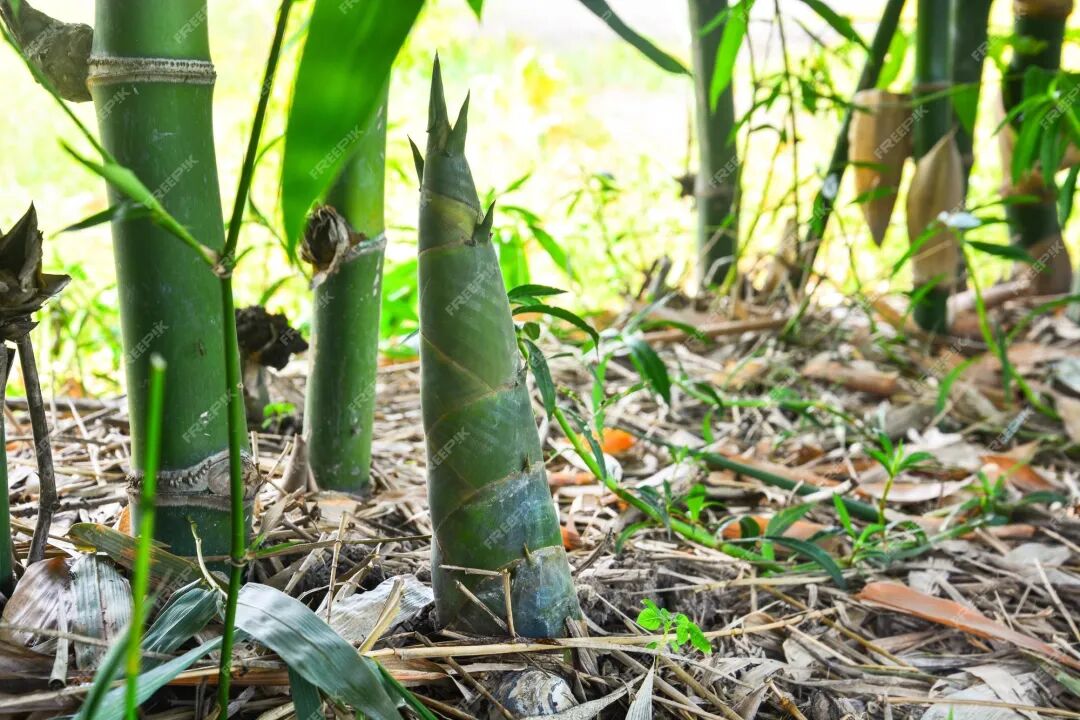
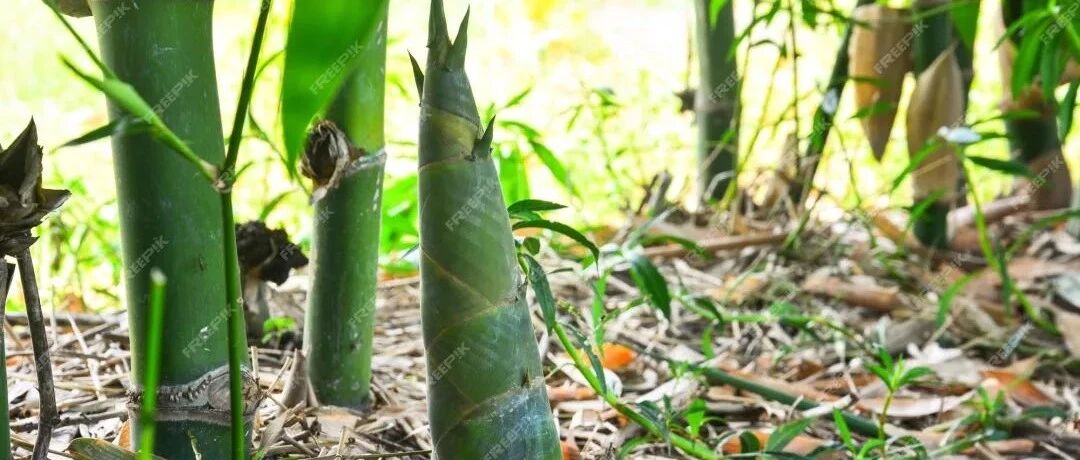
Photo: bamboo sprouts, freepik.com
They could be some estranged cousins, belonging to faraway lands and having curious ways such as unnamable eating habits, as rumors have it, she fathomed. Or they could simply be a group of people, trying to grapple with this weird world, as much as each and all of us. She would even laugh at all her former apprehensions and misconceptions. Before Granny, she used to think that all Chinese people are so money-minded that they only cared about business and profit. At least, that is the impression she gets from the ones she meets at work. She is an accountant in a small construction company and they often struggle because the Chinese companies that hire employees with low wages take most contracts. Her boss would grunt and swore at the Chinese, each time they lost a deal and she just took in the habit of hearing those words.
Now, they learned to appreciate each other and tacitly agreed to mutually provide assistance in times of crisis. They have come to ‘tame the beast’ in themselves. There are times when there is no one at Granny’s son’s house and so, she drops by to have company. They fear that she might harm herself with her forgetfulness, her memory failing her more as the days move on. There are also other days when the youngest sister would find herself alone with the kids, overwhelmed. The teenagers, whose ruthlessness got them to move out from their last home, would often misbehave; they would start a brawl or chase each other around the house, breaking a thing or two on their passage.
They are so noisy and infernal that the former landlord ended up asking them to find another place. Yes, as a family woman herself, Chinese Granny understood what it is like to care for and support a large family. At times, when taken by the whirlwind of past remembrances, she likes to narrate the story of her youthful days. She proudly asserts that the meaning and the foundation of her self is within the warmth of her family ties. Despite the weight of responsibility, she would not have thrived had she ever had to live on her own, pursuing a career or living a life made up of success, fame, and mundanity.
She seemed quite the spokesperson for the ‘happy housewife’ prototype, thought Aunty at those times. Although looking at her broken figure, bowing heavy shoulders, exhausted shrunken fleshless hands, one would seek a different record, another version of the story. Aunty realised that talking, or is it listening, to this old granny somehow helps her get a breather. As if Chinese Granny is telling her all of those stories to comfort her, to let her know that things will get better; that they actually do get better in time.
Opening her windows one early morning, to soak in the sunlight, Aunty Soasoa had a moment of epiphany. Her eyes fell naturally on the young bamboo sprouts thriving in the yard, on the east side of the main gate. She lets out a sigh of relief. She could not help but to feel blessed despite her workload and responsibility at home. The broad smile drawn on her face is not lying; the plant invigorates her. She finally feels at home. The plant grew taller and new stems emerged, diffusing a new and refreshing energy throughout the whole house. Her family is now at home and Granny has become part of it.
Zanafy Gladys Toahiba Abdoul在马达加斯加塔那那利佛大学教授英语文学和批判性阅读。她热爱美好的故事,在日常工作允许的情况下,她经常努力进入自己想象中的世界。
(作者邮箱:gladyszanafy@yahoo.fr)
Zanafy Gladys A. teaches Anglophone literature and critical reading at the University of Antananarivo, Madagascar. Her current projects involve the translation of a collection of short stories from Malagasy to English.
(contact:gladyszanafy@yahoo.fr)

撰文 | Zanafy Gladys A.
编辑 | 施东来
审核 | 孙遇洲
排版 | 任睿欢
点击“阅读原文”,即可前往The Elephant网站阅读本文。
本文首发于 CASIN 微信公众平台。
查看原文 ↗