

Decolonising Thought and Culture through Marvellous Realism

CASIN
Decolonising African Thought and Culture through Marvellous Realism
On November 17, 2024, the China-Africa Shanghai International Network (CASIN) and the Fotografiska Photography Art Center jointly organized a SALON event titled "Decolonising African Thought and Culture through Marvellous Realism." Starting from African thought, culture, and art, the guests discussed methods, significance, and practices of decolonization from different academic perspectives.
In the opening remarks, Associate Professor Jodie Yuzhou Sun from the Department of History at Fudan University reviewed the history and previous events of the China-Africa Shanghai International Network (CASIN) and introduced the ongoing contemporary African photographic art exhibition "Marvellous Realism" at the Fotografiska Photography Art Center.
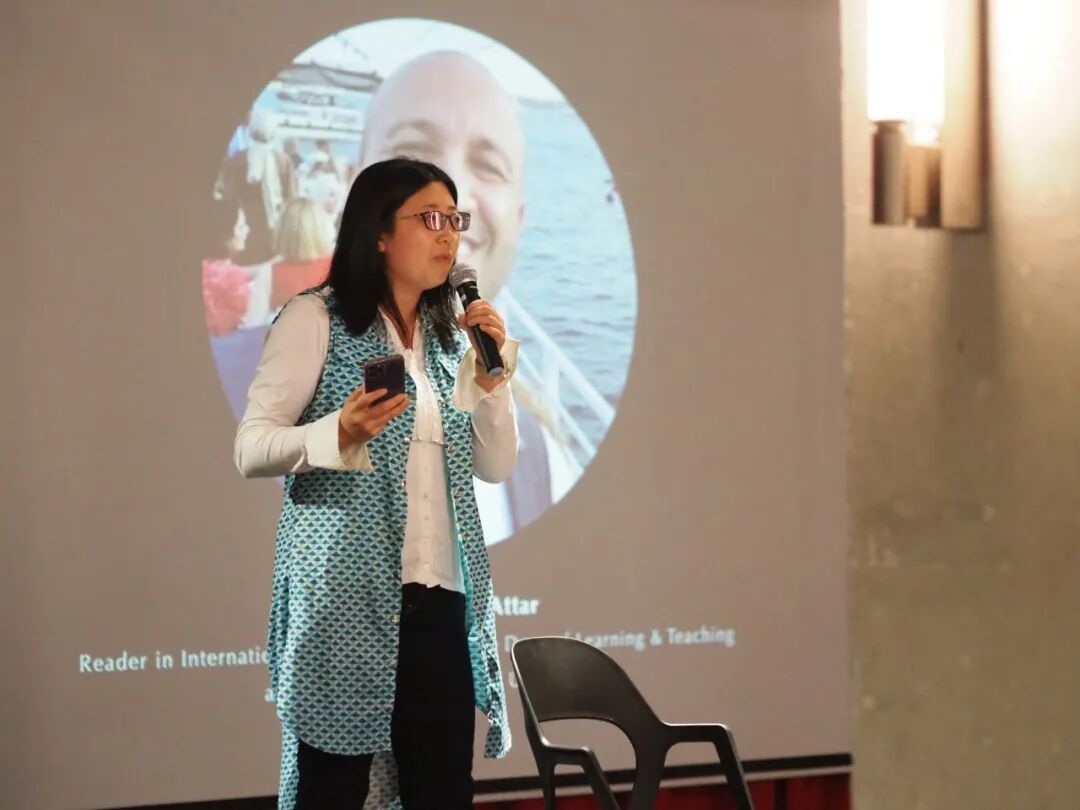
"Extraordinary Realism" and Decolonization: Legal and Artistic Perspectives on Global Justice
The first guest of this seminar, Dr. Mohsen al Attar, an Associate Professor of International Studies and the Associate Dean of Teaching at Xi'an Jiaotong-Liverpool University, began by posing three questions while walking in the Egyptian desert: "Where are we now? Where were we before? Where are we heading?" This opened the audience to a reflection on decolonization. He cited three cases from the colonial period: the massacre aboard the British slave ship Zong in the late 18th century, the genocide of the Herero and Nama people by Germans in Southwest Africa (now Namibia) in the early 20th century, and the Canadian Indian residential school system, to demonstrate the destructive impact of colonialism. This impact was not only physical but also spiritual and cultural. Professor al Attar pointed out that international law, formulated by Europeans, provided a legal basis for colonial rule, being used to forcibly spread European ideals during the colonial period, acting as a means of epistemic conquest.
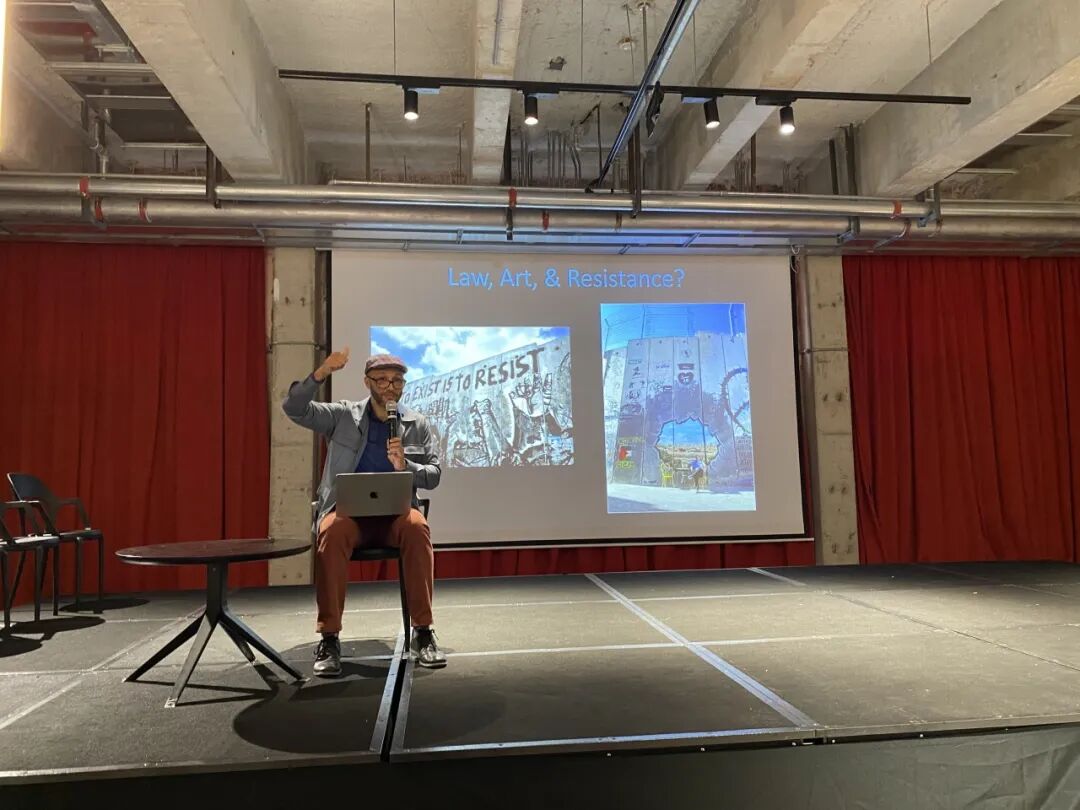
The current challenge we face is how to achieve decolonization in a context where the law has conquered our minds. Professor al Attar proposed that decolonization involves the intervention of non-Western thought, compensation, restitution, restoration, and redistribution. Art is an important means of resisting colonial rule, and he advocates for breaking the dominance of Eurocentric legal frameworks by adopting anti-racist practices, reflecting the experiences and knowledge systems of historically oppressed peoples to escape the influence of global white supremacist discourse. He uses Ubuntu from Southern Africa as an example, pointing out that this value system emphasizes the connection between people, society, and nature, encapsulated in the idea "I am because we are," which serves as an ideological resource to break through Western individualism.
Extraordinary Realism and the Marginalized Legacy of Ujamaa Socialism
Professor Yunus Rafiq, an Assistant Professor of Anthropology at NYU Shanghai, emphasized that recent decolonization efforts have been heavily influenced by European and American social thought, often overlooking decolonization attempts in Africa and other Global South regions. Therefore, he revisited the decolonization ideas of Mwalimu Julius Nyerere, the first President of Tanzania, who also made significant contributions in literature and culture. Inspired by dialogues with other scholars, Professor Rafiq realized that Nyerere's ideas had not been fully explored and began pondering how to use Nyerere's linguistic and philosophical thoughts to discuss aesthetics and art.
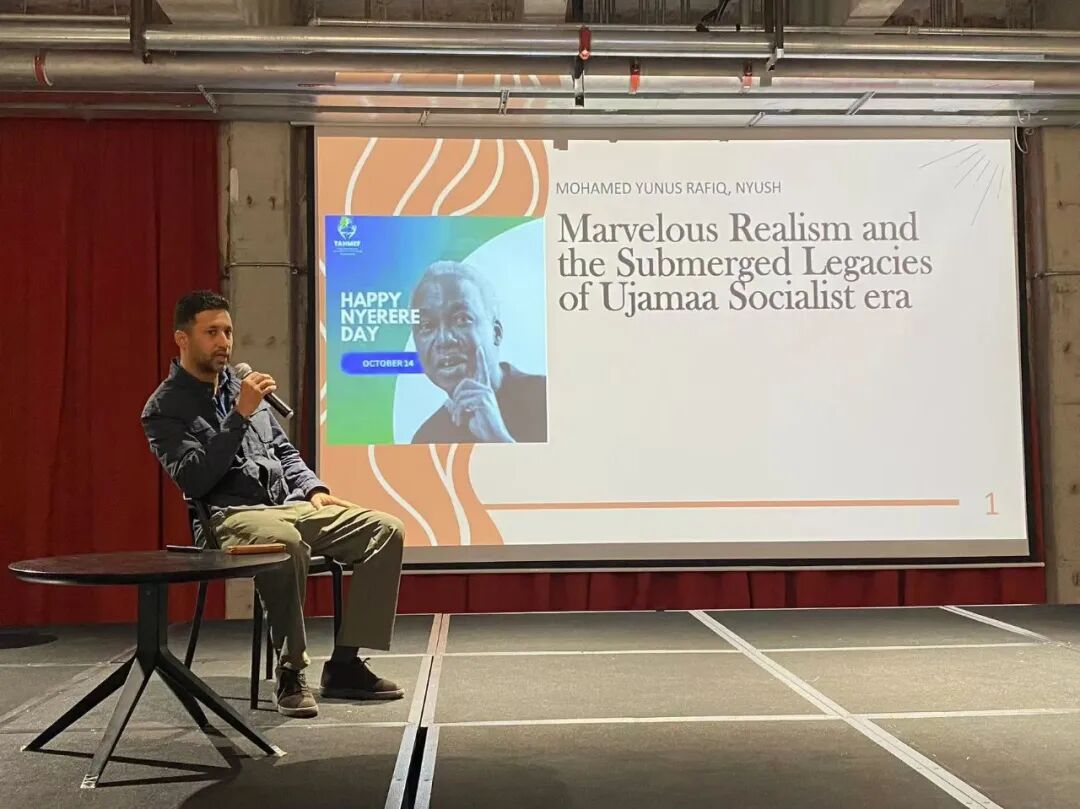
He noted that the postcolonial period, along with the Cold War and Non-Aligned Movement, emphasized transformations in knowledge and practice, shaping the Swahili concept of kujiendeleza. Since 1961, the Tanzanian government has used Swahili as the national language, widely employed in schools, government, media, and other public domains. Nyerere himself translated Shakespeare's "The Merchant of Venice" into Swahili and wrote poetry in Swahili, promoting its development. Additionally, the Tanzanian government established the National Swahili Council (BAKITA) to standardize Swahili usage. Professor Rafiq sees this policy as one of Tanzania's decolonization initiatives, although the continued use of English for education beyond high school remains a contentious issue within Tanzania.
Analyzing the morphemes of kujiendeleza, meaning self-development, from a linguistic perspective, Professor Rafiq suggested that in Nyerere's writing, kujiendeleza signifies relational and collective development, rather than the individualisticdevelopment characterized by neoliberalism. In the artistic realm, practicing kujiendeleza means understanding art as an embedded process of self-development within community and history. Art creation involves embodied, progressive energy that connects individuals with cultural and historical trajectories. For instance, artists draw inspiration from their community’s struggles and stories while striving to sustain life's momentum.
Finally, Professor Rafiq emphasized that kujiendeleza reflects an iterative, relational, and transformative process, offering a framework to understand the dynamism, collectivity, and historicity of art, and called for a reconsideration of development and aesthetics through African languages and philosophical concepts.
Decolonizing Images in Contemporary African Art
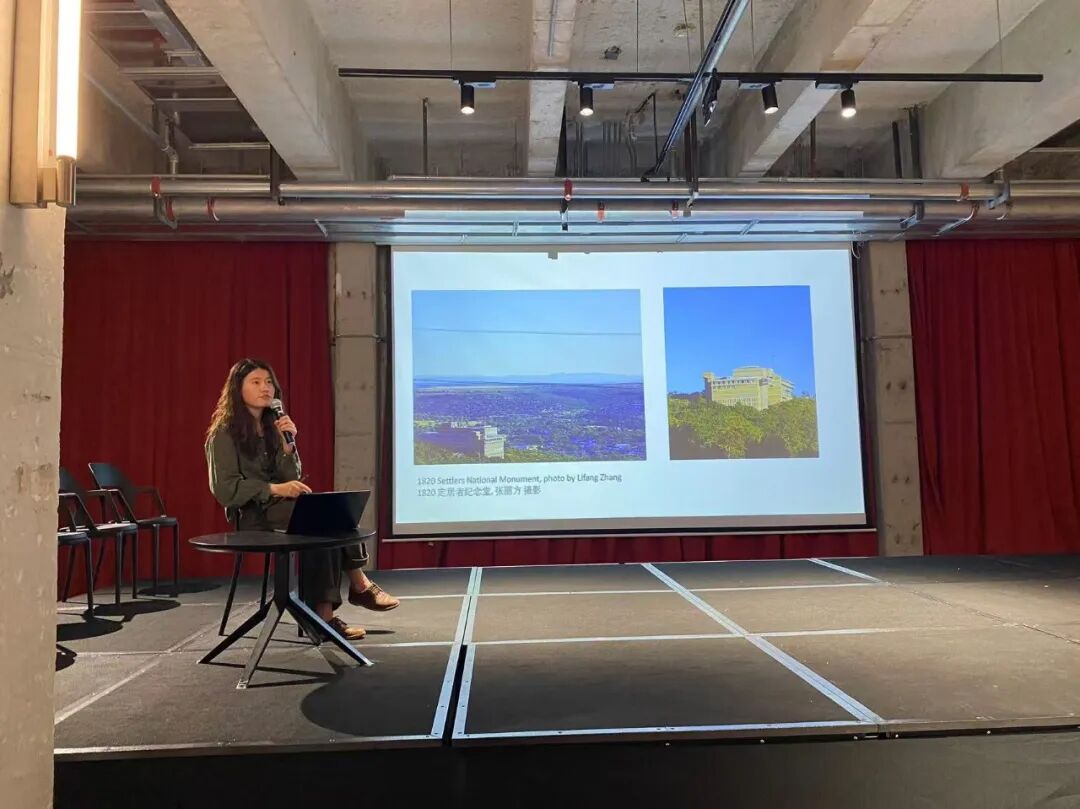
Dr. Zhang Lifang, a postdoctoral researcher at the Advanced Institute for Humanities at Tsinghua University, shared her experiences and observations on decolonization and art practices during her studies at Rhodes University in South Africa, starting from everyday life and spatial exploration. In 2018, the town where Rhodes University is located was renamed from Grahamstown, named after the colonial settler Colonel John Graham, to Makhanda, in honor of the Xhosa anti-colonial hero Makhanda ka Nxele. Although the town completed the renaming, the social and spatial structures formed by apartheid remain clear, with stark differences in infrastructure between the town center and areas where Black communities reside. Colonial legacies such as the 1820 Settlers' National Monument at the town entrance and the 1820 Settlers Monument on the main street still occupy the town’s public spaces. These not only form part of the daily life but also continuously remind people of the history written from the colonizers' perspective. Similarly, the university in Makhanda still retains the name derived from the colonial figure Cecil Rhodes.
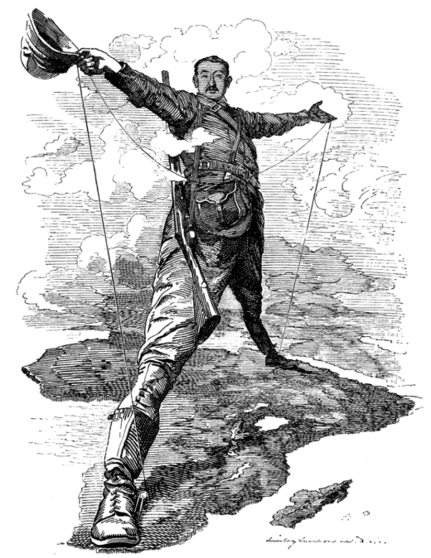
Carton of Cecil Rhodes
罗德斯卡通画像
Source: https://en.wikipedia.org/wiki/Cecil_Rhodes
Despite being a small, remote town, it is historically connected with many places in South Africa and even Africa at large and is now an essential part of many decolonization movements and discussions. Artists living in or visiting the town actively respond to and participate in these movements, creating a more vibrant and profound resonance with the broader decolonization efforts. In 2015, beginning at the University of Cape Town, a "Rhodes Must Fall" movement erupted across universities in South Africa, calling for decolonization in higher education. South African artist Sethembile Msezane waved a pair of wings symbolizing the Zimbabwean bird among the crowd during the removal of the Rhodes statue at the University of Cape Town, creating a classic image of the "Rhodes Must Fall" movement.
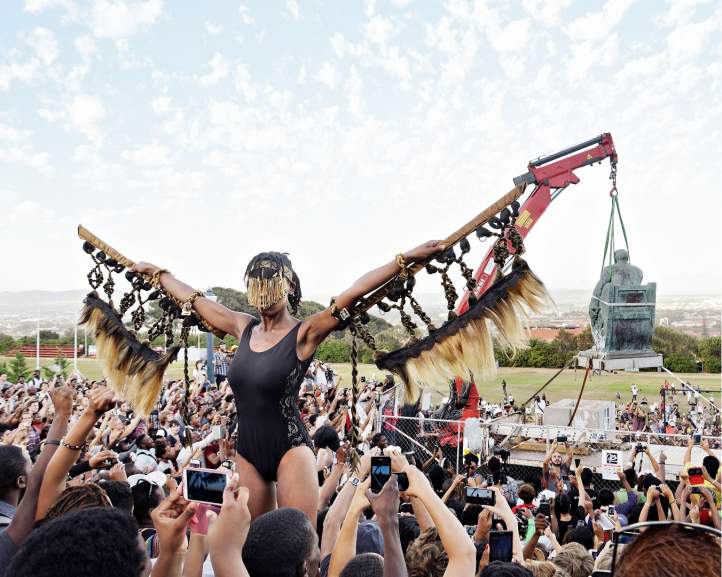
Sethembile Msezane
Chapungu—The Day Rhodes Fell 《Chapungu——罗德斯倒下那天》
2015
Source: http://www.sethembile-msezane.com
In Makhanda, the sculptures of colonizers within Rhodes University have long been put away, but colonial traces, including the school's name, are visible everywhere. Artists in residence engage in discussions about colonial history and decolonization topics through various art forms. Zimbabwean artist Moffat Takadiwa used discarded computer keyboards with English letters as symbols of colonial relics to create an art installation titled "The Falling of Rhodes/ia." Inspired by the story of Sarah Baartman, a Khoikhoi woman exhibited in Europe in the 18th century, Nigerian artist Peju Layiwola created the artwork "Return," denouncing colonial crimes. In Makhanda, Sikumbuzo Makandula inscribed the names of Xhosa ancestors on monuments as a form of protest, revealing the scarcely known history of Ndebele royal descendants being forced to the town. Artists collaborated to establish "The Black Power Station," transforming an abandoned power station that once supplied electricity only to white people into a public cultural space, creating more platforms for young people to express and communicate.
Revisiting the Black Cultural Movement
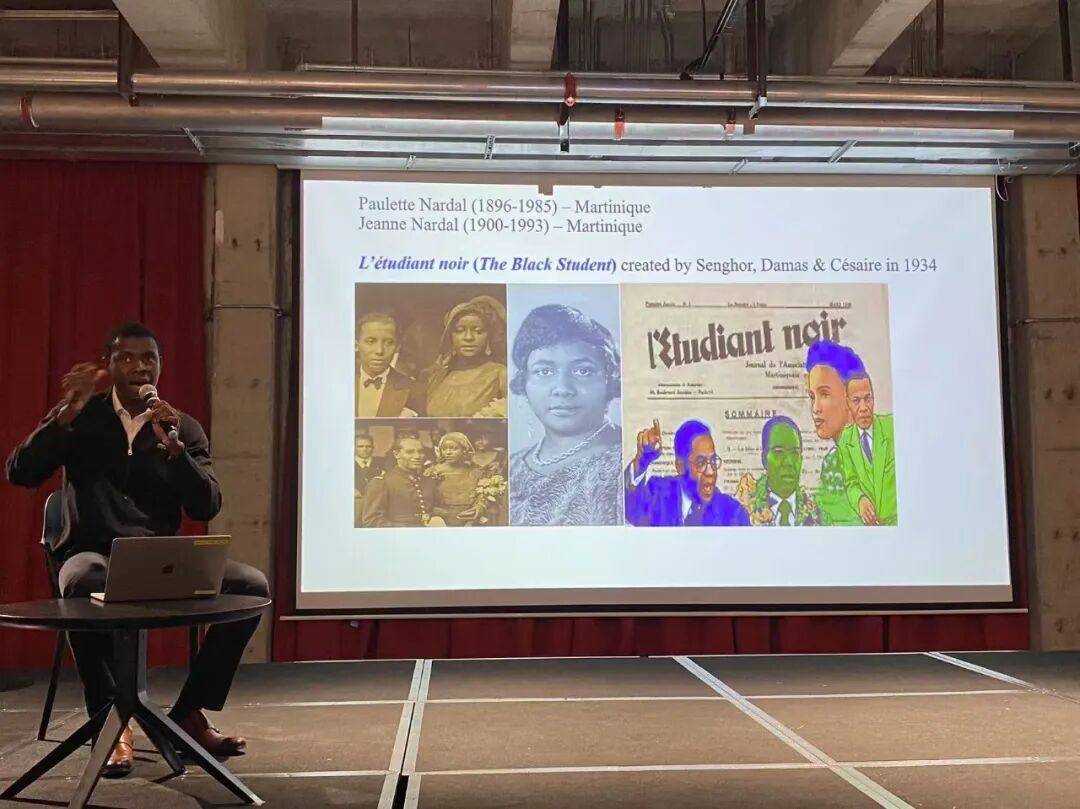
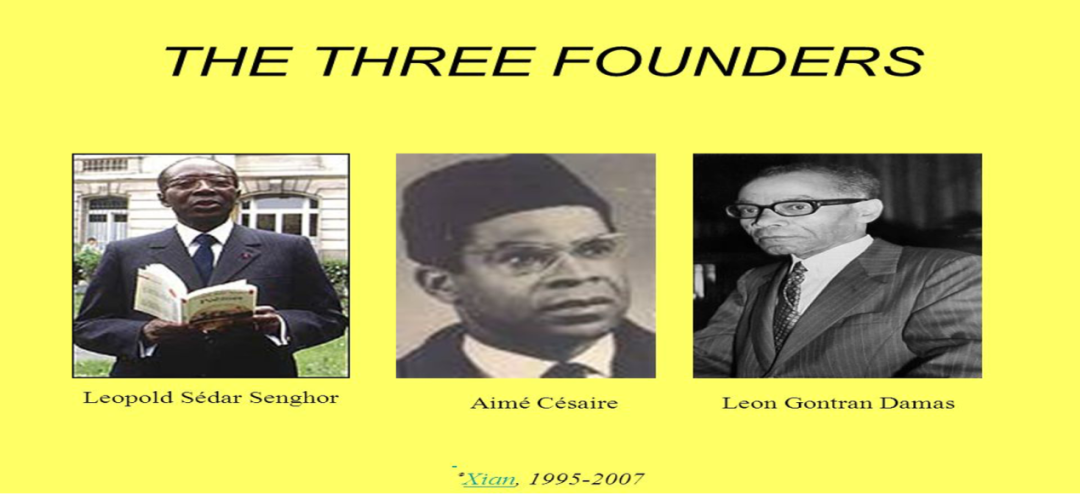
The final speaker, Adrien Pouille, an Assistant Professor of African Literature at Duke Kunshan University, guided us through a review of the Black Cultural Movement of the 1920s-1930s. He first introduced the works of three prominent figures in the Negritude Movement: Léopold Senghor (1906–2001), Aimé Césaire (1913–2008), and Léon Damas (1912–1978). Aimé Césaire, a Black poet and politician from Martinique, a French colony in the Caribbean, was one of the founders of the Negritude Movement and the first to propose the French term “Negritude.” Senghor, a Senegalese poet and the country's first president, published the first anthology of French poetry, "Anthology of the New Black & Malagasy Poetry in the French Language," (Anthologie de la nouvelle poésie nègre et malgache de langue française) in 1948, which was recognized in the French literary and intellectual world. The French philosopher Jean-Paul Sartre also wrote a preface for the book titled “Black Orpheus.”
In 1934, Senghor, Césaire, and Damas collaborated to launch the magazine “L'Étudiant Noir” (The Black Student) in Paris, calling for Black solidarity and power. Paulette Nardal and Jeanne Nardal from Martinique held cultural salons in their home, where they hosted Black intellectuals like Senghor and Césaire from Paris. The Nardal sisters also invited representatives of the Harlem Renaissance from the United States, such as Claude McKay, Langston Hughes, and Josephine Baker, thereby linking the Black cultural movements across the Atlantic.
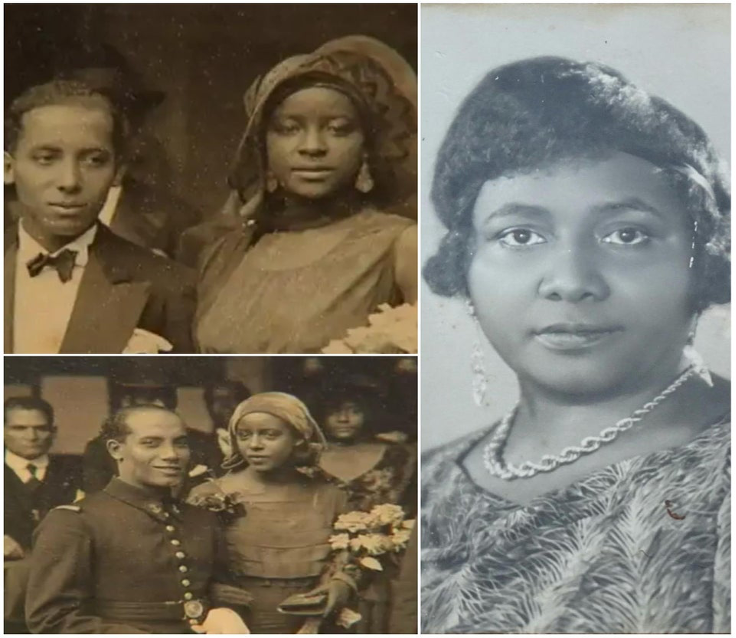
纳尔达姐妹The Nardal Sisters
The Black Cultural Movement of the 1920s-1930s had profound cultural and political effects on African and global Afro-descendant communities. In the 1950s-60s, a group of African intellectuals began telling their own stories through novels and films. For example, Aké Loba completed the novel "Kocoumbo," and Ousmane Sembene, a pioneer of African cinema, is often referred to as the "Father of African Cinema." Senghor and Césaire both entered politics, becoming the founding president of Senegal and a member of the French Parliament and founder of progressive political parties in Martinique.
Q&A Session Summary
During the Q&A session, the participants engaged in a robust and intellectually stimulating dialogue on critical themes central to the seminar’s exploration of “Decolonising African Thought and Culture through Marvellous Realism”. Key among these were the pivotal role of Negritude in articulating the cultural and existential ethos of the Black and African diasporic experience, which underscores the necessity of re-evaluating the historical narratives that have marginalized these voices. Furthermore, discussions delved into the contentious and often flawed conflation of modernity with capitalist paradigms, challenging the pervasive assumption that economic development must inherently align with capitalist methodologies.
The discourse further examined Haiti as a case study demonstrating the obstacles to decolonization, such as economic exploitation and diplomatic isolation imposed by imperialist powers following its struggle for independence. These impediments, like the indemnity payments to France and ongoing political interference, exemplify the hindrances to Haiti’s development and broader global decolonization efforts. The narrative calls for reparative justice and resource redistribution as vital elements of decolonization and stresses the need for continuous efforts to dismantle imperialistic structures to fulfill decolonization's potential.
Additionally, the seminar addressed the potential of forging a constructive and equitable partnership with China, as its burgeoning influence presents a significant opportunity to counteract and dismantle the enduring imperialistic narratives and practices that affect Africa and the Black diaspora. This consideration prompts a reevaluation of geopolitical alliances and their capacity to redefine post-colonial relationships.
Collectively, these discussions illuminated the profound and far-reaching impacts of colonization, underscoring the imperative for a holistic understanding of these legacies as a precursor to a genuine healing process. By critically engaging with these issues, we can formulate strategic approaches that not only address historical injustices but also pave the way for a more inclusive and equitable future.

供稿人:邓哲远、Janecia
校对人:孙遇洲
本文首发于 CASIN 微信公众平台。
查看原文 ↗