

活动回顾丨中非视听作品展映讨论会之《护照》与《中国在埃塞》

CASIN
2023年7月8日晚,CASIN(上海中非研究网络)在复旦大学邯郸大学校区举办了本年度第三场中非文化沙龙。文化沙龙的主体活动为中非视听作品展映讨论会,同时该活动也预告了第一届CA/AC全球中非写作大赛的开幕(详情请期待后续的公众号宣发)。
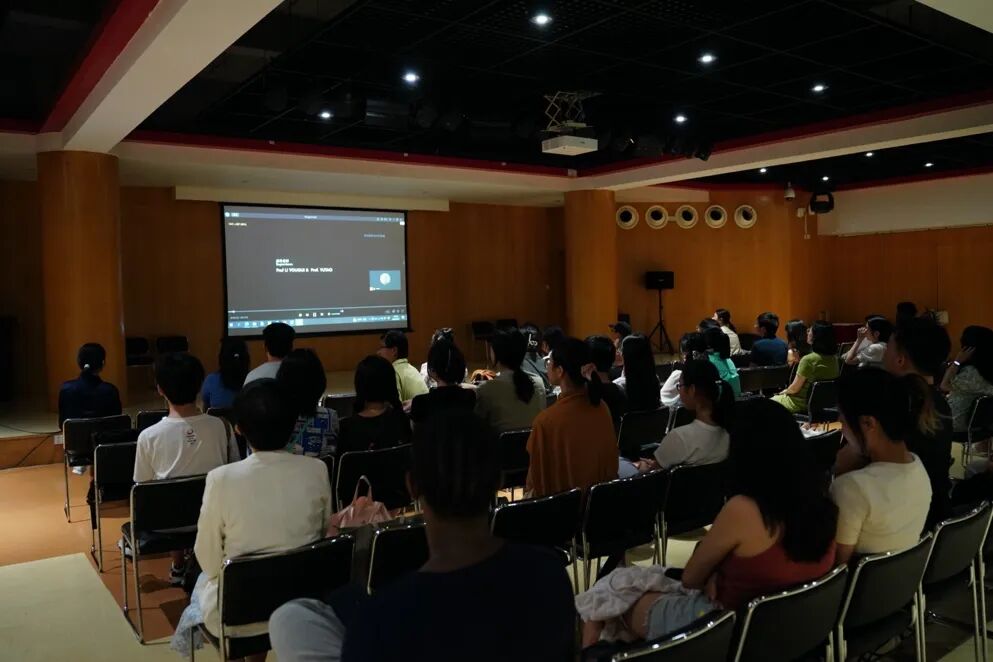
在电影展映环节我们播放了两部影片,一部是由来自刚果(布)的留学生弗洛吉 (Ngalouo Flogy Dostov)导演的《护照》(2016),另一部是由正在英国读博的周游导演的《中国在埃塞》(2017)。参与讨论的嘉宾包括施东来 (上海交通大学人文学院长聘教轨副教授)、严毓倩(浙江大学传媒与国际文化学院特聘副研究员)和周游导演本人(宁波大学教师;纽卡斯尔大学博士生)。本次活动的组织者施东来老师表示,举办展映讨论会的目的是探讨中非关系的人文和日常面向,呈现并反思政经宏大叙事之外的中非交流历史与现状。
开场白
中非关系研究网络的发起人之一,复旦大学历史学系青年副研究员孙遇洲,为观众介绍了“中非(或非中)关系研究网络-上海(CASIN)”。她概述了网络组织的活动和目标,并表示在上海的中非关系研究网络是一个更大的研究中非关系的国际组织(Chinese in Africa/Africans in China Research Network)的分支,它致力于促进学术研究和与广大社区的互动。该组织每两周会发起一些与中非研究相关的学术活动,并试图在全球范围内建立在地分会。孙老师表示中非研究网络的活动希望打破学术界与非学术界之间的鸿沟,并计划在之后组织多种类型的活动,包括文化活动和写作比赛,以吸引更广泛的受众。孙老师接着介绍了CASIN团队的成员和他们各自的研究领域,她同时鼓励现场的参与者成为未来活动的演讲者。此外孙老师还表示CASIN接下来将会与在非洲投资的中国企业进行包括组织参观活动在内的更多互动。
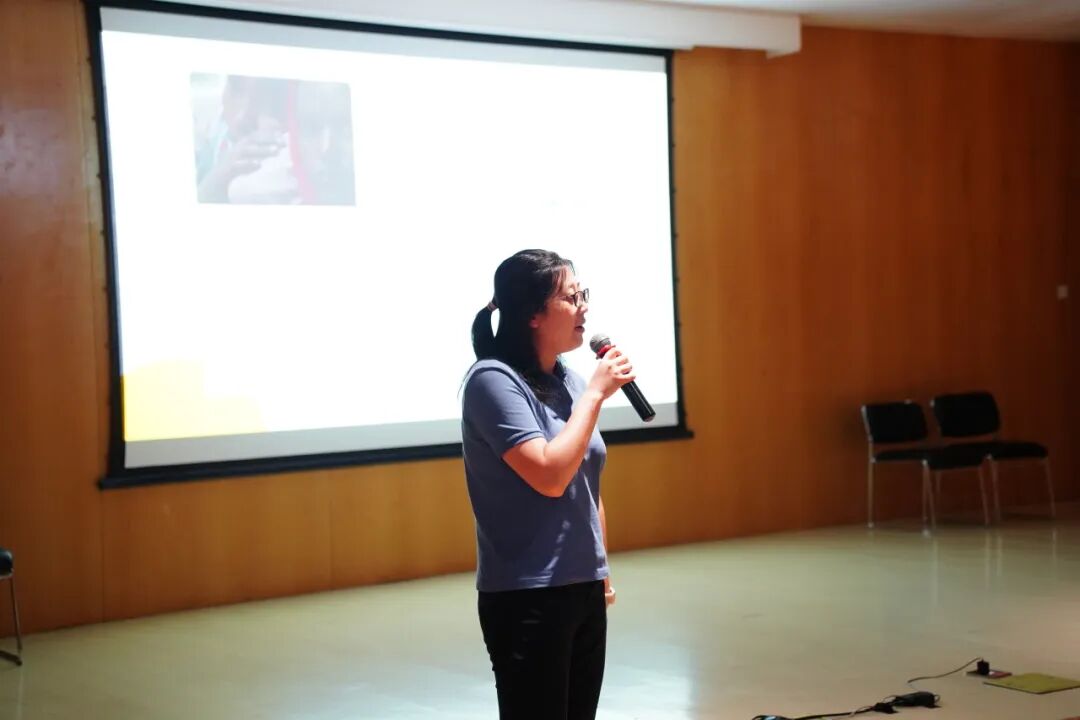
映后讨论
电影放映结束后,施老师邀请两位特别嘉宾上台展开讨论。施老师表示,他希望看到更多关注中非人文交流的影视作品,这将有助于我们理解在实地经验中经常遇到的多样而复杂的人际关系和跨文化交往问题。

中非视听交流作品展策展人、浙江大学严老师接着回忆了她和Flogy导演的对话,并解释道《护照》是根据一个真实故事改编的,因为导演希望展示非洲学生在中国的经历。她还提到,在影片中饰演男主角Kaba的演员Daryl Loyck现在已经是闯荡中国影视圈的一名专业演员。

接下来,《中国在埃塞》的导演周游谈到这部纪录片是他研究生工作的一部分。在拍摄此片之前,他从未去过非洲,也不太了解埃塞俄比亚。他介绍了两位主人公Seifu和张磊目前的生活状况。Seifu结了婚,目前在埃塞俄比亚的另一家公司担任翻译。张磊离开了埃塞俄比亚,目前在老挝工作,他希望有一天能回到埃塞俄比亚。

观众提问
1.虚构电影和纪录片的区别是什么?为什么中非视听作品展挑选了这两部影片?
严老师答道,纪录片和虚构片之间的界限其实并不像人们通常认为的那样清晰。她强调,纪录片也需要经过编导和剪辑,以呈现特定的叙事风格和视角。
周导演随后解释说,他之所以选择埃塞俄比亚作为拍摄地,是因为他在那里拥有独特的社会关系和网络资源,这有助于节省拍摄成本。他承认,如果他当时对埃塞俄比亚更加熟悉,纪录片可能会有不同的呈现。
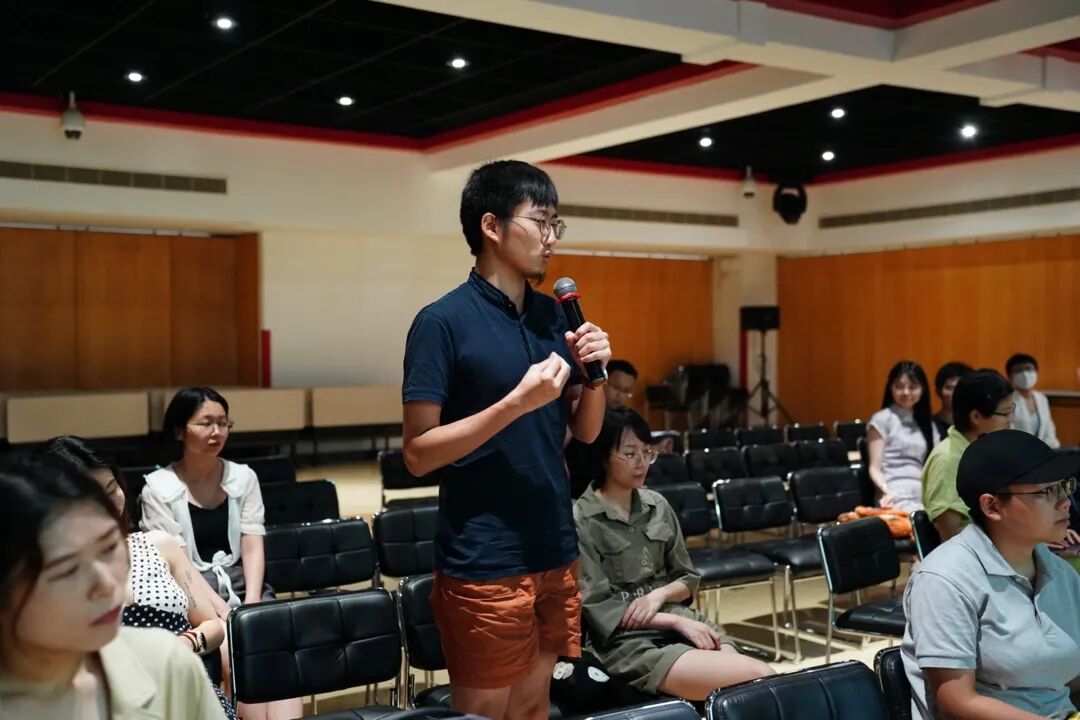
2.纪录片中工厂里的中国工人和埃塞工人的生活似乎是分离的,这是为什么?
两位发言人解释说,在非洲工厂工作的中国人通常工作时间很长,他们往往住在工厂附近或统一的宿舍区内。因此,他们融入当地社会的机会有限。此外,他们中的大多数人缺乏相应的语言和文化知识,无法与埃塞俄比亚同事进行深入交谈,而且他们对在非洲的工作通常抱有寄居者心态。
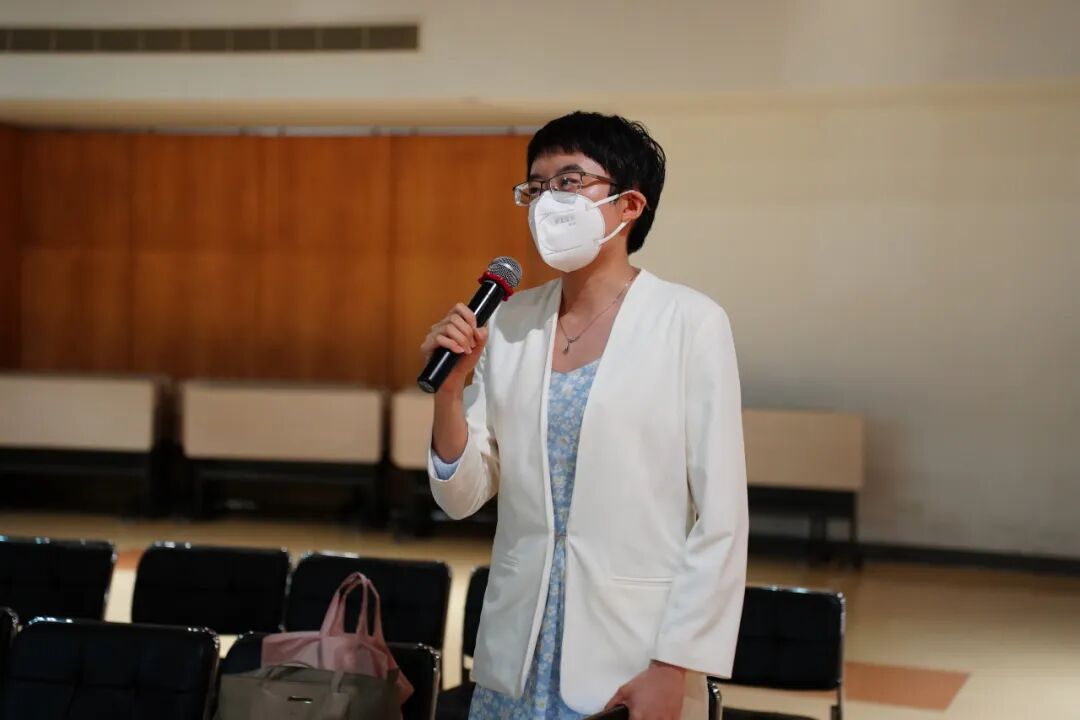
3. 非洲观众对电影的看法:
随后,一位非洲观众分享了她对第一部影片《护照》的看法,她表示影片反映了非洲人在中国的许多真实经历。她提醒观众,非洲幅员辽阔,民族、文化和语言多种多样,不可一概而论。她询问了第二部影片的基本叙事目的和导演的意图。
周导演澄清说,他在拍摄这部纪录片时没有任何先入为主的想法。由于这是他第一次来到非洲,他只是简单地捕捉所见所闻,没有进行深度采访,也没有干涉拍摄对象的镜头表现。
另一位非洲观众也加入了讨论,指出中国观众和非洲观众在观看纪录片时可能会有不同的反应。例如,中国观众可能会认为张磊对当地人很有帮助,而非洲观众则可能会认为张磊的行为是施舍性的,不那么受欢迎。
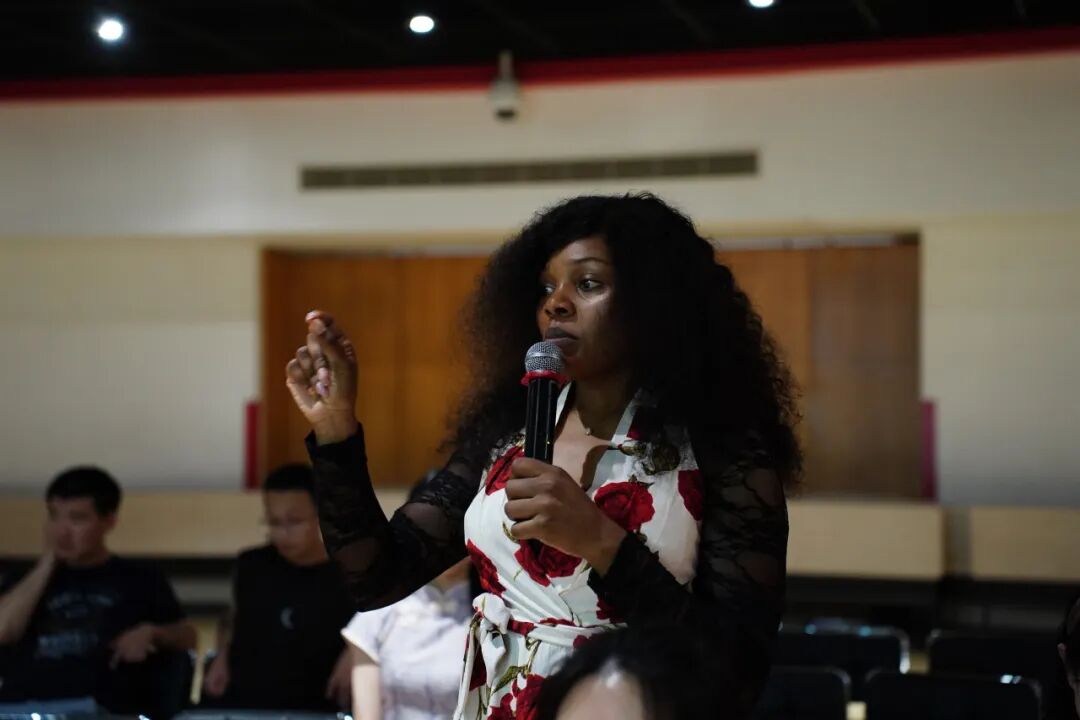
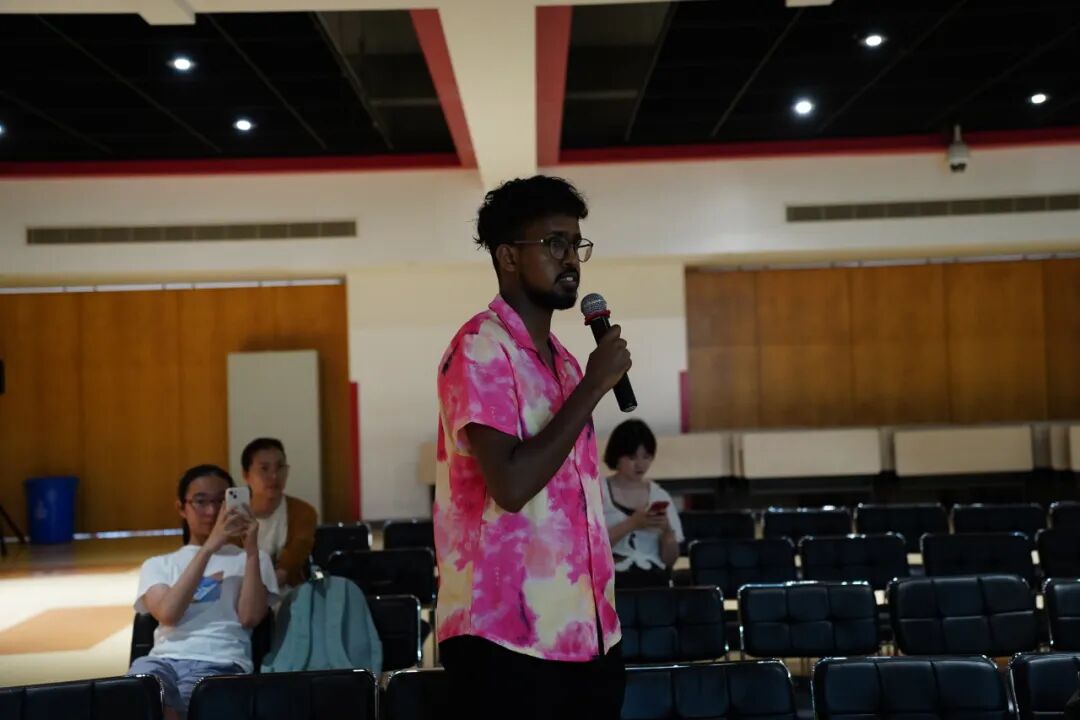
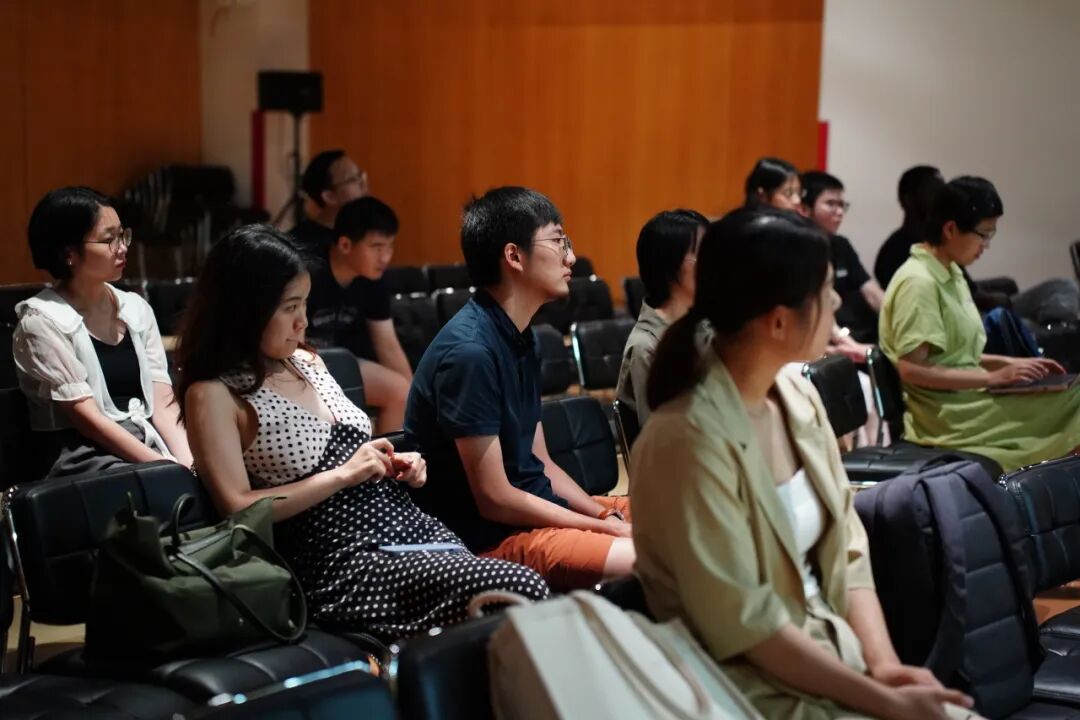
向左滑动查看更多现场图片...
4. 影片中的性别表现:
活动最后,有观众提出一个重要疑问:为什么两部影片都以男性角色为主?这是否是中非视听作品中的普遍现象?就此问题,严老师解释说,在非洲工厂工作的中国女工很少,大多数男工的妻子都在中国。施老师接着补充说,这确实是中非文化生产可以改进的一个方向,因为迄今为止,大多数关于在非华人或在中国的非洲人的叙事往往以男性视角和经验为主,而女性要么被边缘化,要么被异化和物化。他提到了申迪导演的一部富有创意的短片《动物凶猛》(2017),该片以一名加纳女性为主角,讲述她在中国乡下的魔幻遭遇。该片曾在法国戛纳电影节和中国FIRST青年电影展上放映。
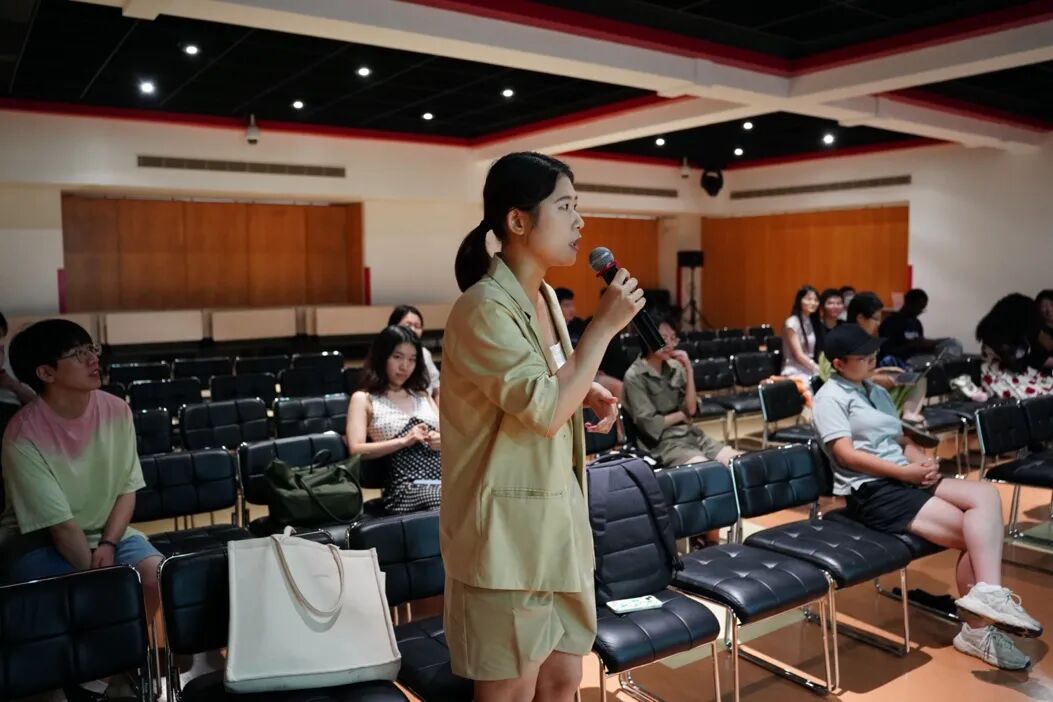
CASIN Event Report
Visual Culture Public Screening and Discussion on Two Films Kaba and China in Ethiopia
In the evening of the 8th of July 2023, the third public event hosted by CASIN (China-Africa Shanghai International Network) took place at Fudan University. The main event was the public screening of two interesting visual works, followed by a stimulating discussion session. It was also announced that the First CA/AC Global China-Africa Writing Competition would be launched in mid-July via our public WeChat account and the CA/AC website.
At the beginning of the event, one of the founding members of CASIN, Dr. Jodie Sun, who is a young associate researcher from the Department of History at Fudan University, introduced the organization to the audience. She provided an overview of the network's activities and goals, stating that CASIN, as the Shanghai branch of the larger research initiative on China-Africa relations called Chinese in Africa/Africans in China Research Network, is dedicated to promoting academic research and interaction with the broader international community. Dr. Sun emphasized that CASIN seeks to bridge the gap between the academic and non-academic communities via activities like cultural activities and writing competitions. She then introduced the other founding members of the CASIN team and their respective research areas, encouraging the attendees to become future speakers at the network's events. Furthermore, Dr. Sun mentioned that CASIN will collaborate with Chinese companies investing in Africa for more interactive activities, including organizing field visits.
The film discussion session featured two films, the 2016 short film "Kaba" directed by Ngalouo Flogy Dostov and the 2017 documentary "China in Ethiopia" directed by Paul Zhou. The panel of discussants included Flair Shi (Associate Professor, School of Humanities, Shanghai Jiao Tong University), Yuqian Yan (Co-Curator of the China-Africa Audiovisual Festival; Associate Researcher at the College of Media and International Culture, Zhejiang University), and Paul Zhou (Director; Ningbo University and Newcastle University). Professor Shi, one of the core members of CASIN and the main organizer of the day’s event, emphasized that the purpose of this event was to shed light on the human side of China-Africa relations, showcasing the lived experiences of individuals involved on the ground.
// Post-Screening Discussion
”
After the screening, the main organizer, Flair Donglai Shi, invited the two guest speakers to the stage to initiate the discussion. Shi expressed his hope to see more visual works focusing on the humanistic aspect of China-Africa interactions, which shall help us grasp the diverse and complex inter-personal and inter-cultural issues often encountered in such experiences on the ground.
Dr. Yan of Zhejiang University, who is the co-curator of the China-Africa Audio-visual Festival, then continued the discussion by saying that Kaba was based on a true story. She recounted her dialogues with the director and his wish to showcase the experiences of African students in China. Yan mentioned that the actor who played the main character Kaba in the film, Daryl Loyck, is now working as a professional actor in China.
Next, Paul Zhou, the director of "China in Ethiopia", explained that the documentary was part of his graduate work. Prior to the project, he had never visited Africa or knew much about Ethiopia. Zhou provided an update on the current life situations of the two main characters, Seifu and Zhang Lei, explaining that Seifu had taught himself Mandarin well, got married, and now works as a translator for another company in Ethiopia. Zhang Lei left Ethiopia and is currently working in Laos, with the hope of returning to Ethiopia someday.
The Q & A Session:
”
1.What are the differences between fictional films and documentaries? And why does the China-Africa Audio-visual Festival feature these two films?
Regarding this question, Yan asserted that the line between documentaries and fictional films is not as clear-cut as commonly perceived. She highlighted that documentaries undergo direction and editing which serve to present specific narratives and perspectives.
Zhou then explained that he chose Ethiopia as the location because he had social access and network resources there, which helped save costs. He acknowledged that if he had been more familiar with Ethiopia, the documentary might have had a different outlook.
2.The Chinese and African workers in the factory shown in the documentary seem to be segregated, why is that?
Both speakers explained that Chinese individuals working in the factories in Africa often spend long hours working and they tend to live near the factory or within the same compound. Consequently, they have limited opportunities to integrate into the local society. Also, most of them lack the linguistic and cultural knowledge to have in-depth conversations with their Ethiopian co-workers, and they often have a sojourner mentality with regards to their stay in Africa in general.
3. African audience perspectives on the films and the narratives presented:
An African audience member then shared her perspective on the first film, "Kaba," expressing that it reflected many true experiences of Africans in China. She reminded the audience of Africa's vastness, diverse peoples, cultures, and languages. She inquired about the underlying narrative and the director's intentions in the second film.
Zhou clarified that he had no preconceived ideas when making the documentary. As it was his first time in Africa, he simply captured what he saw without conducting interviews or interfering in the everyday lives of the subjects.
Another African audience member then joined the discussion, noting the possible disparity between the Chinese and African perspectives while watching the documentary. For example, the Chinese audience might perceive Zhang Lei as being helpful to the locals, whereas the African audience will likely find Zhang Lei's behaviors patronizing and less favorable.
4. Gender representation in the films:
A final question was raised about why both films focus on male characters. Yan explained that there are very few female Chinese workers in the factories in Africa, and most of the male workers have their wives in China. Shi then added that it is indeed an area where China-Africa cultural production can improve as so far most of the fictional and non-fictional content on Chinese in Africa or Africans in China tend to be dominated by male perspectives and experiences while women remain either marginal or exoticized and objectified. He mentioned an exceptional short film by Shen Di entitled “The Storms in Our Blood” (2017) which has a female Ghanaian lead character and tells her phantasmagorical encounters in the Chinese countryside. The film was shown in the Cannes Film Festival in France and FIRST International Film Festival in China.
供稿丨刘莹莹Tiffany
校对丨施东来Flair
编辑丨何婧文
本文首发于 CASIN 微信公众平台。
查看原文 ↗