

沙龙回顾丨万人游非洲、“音乐运动”……带你走进现代非洲生活方式!

CASIN
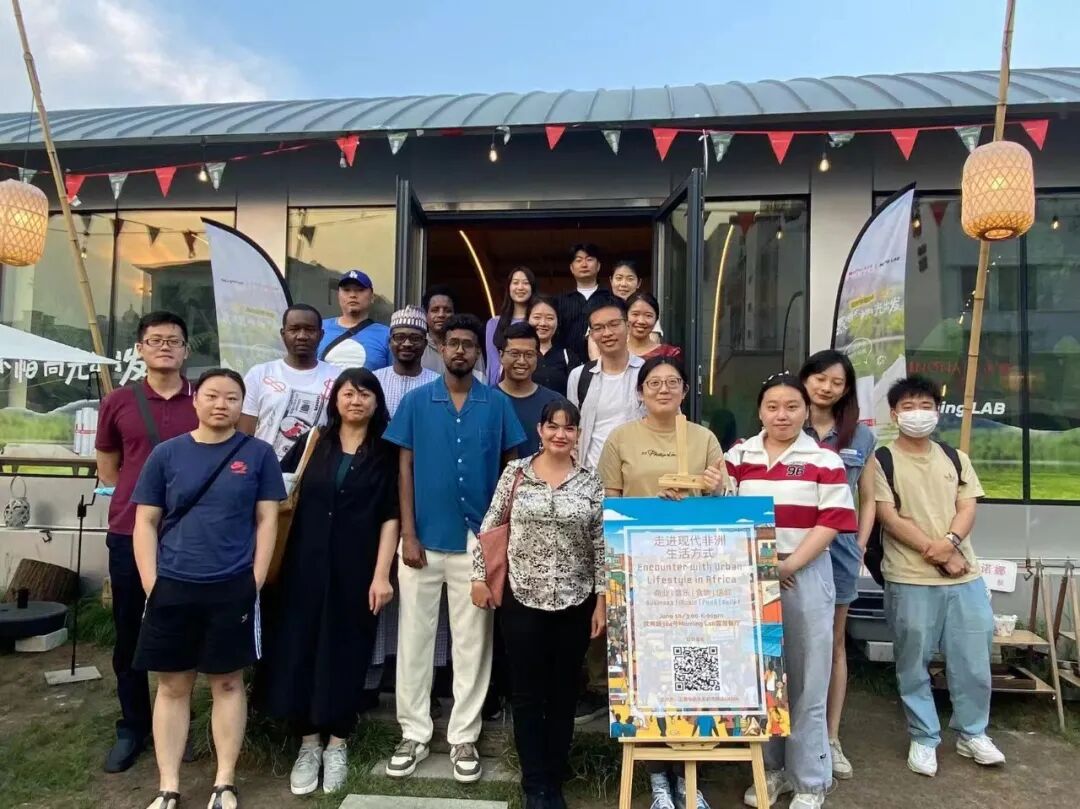
6月10日,上海中非关系研究网络(China-Africa Shanghai International Network,CASIN)召集举办了研究网络成立以来的第二场中非文化沙龙。本次沙龙的主题为“走近现代非洲生活方式”。整场沙龙由特邀嘉宾对谈与嘉宾主题演讲两部分构成,吸引了近百名热爱非洲、关心中非文化交流的学者、学生与职场人士参与其中。
开场白
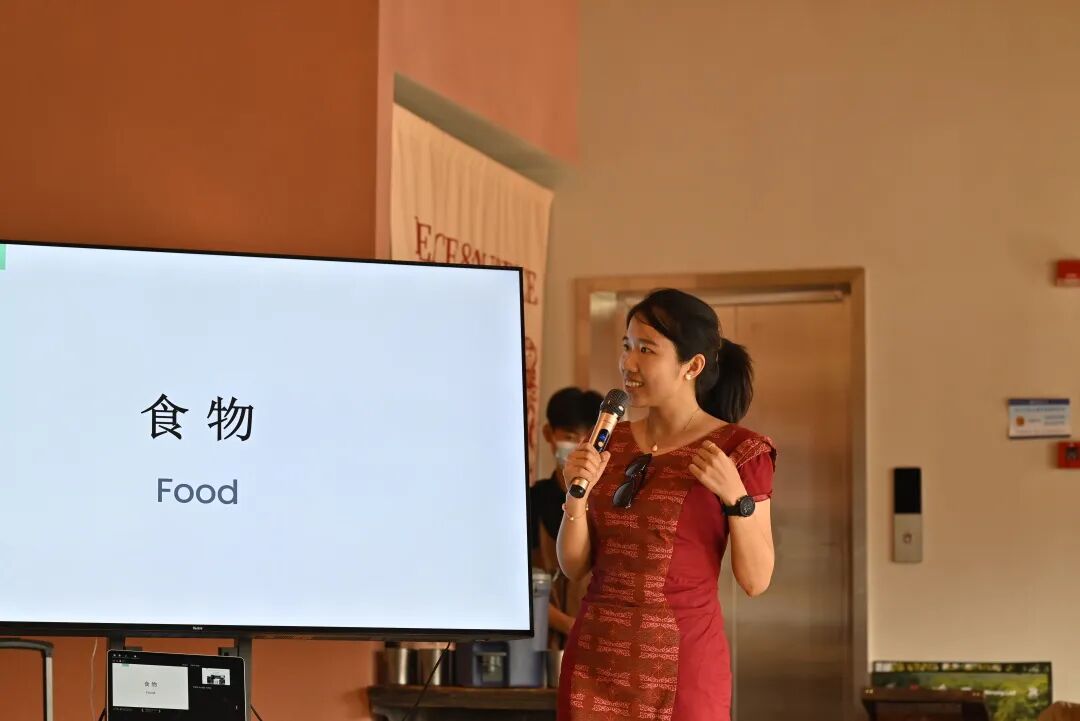
本次活动的主持人蓝其女士,互联网人、前咨询师,同时也是一位业余创作非洲小说的作家,为活动做了引人入胜的暖场。她希望大家能因本次的沙龙对非洲的音乐、食物、宗教多些了解,甚至学会一点如何在非洲赚钱的方法,从而在下一次去非洲的时候可以获得更加在地的体验。
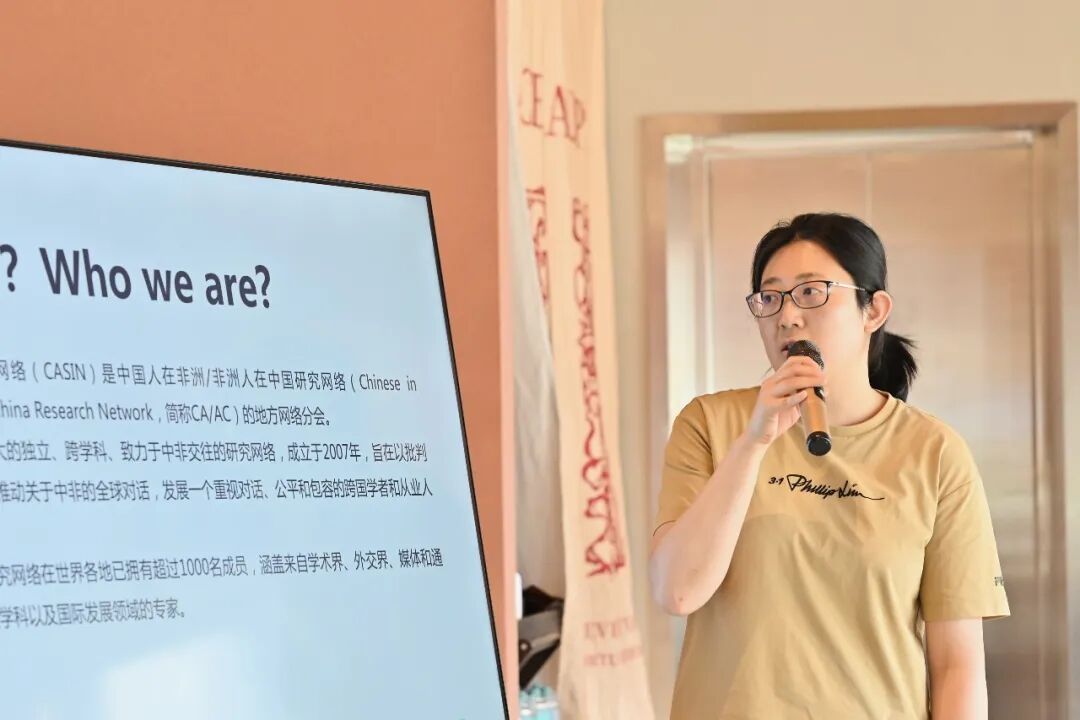
中非关系研究网络的发起人之一,复旦大学历史学系青年副研究员孙遇洲,为观众介绍了“中非(或非中)关系研究网络-上海(CASIN)”。她概述了网络组织的活动和目标,并表示在上海的中非关系研究网络是一个更大的研究中非关系的国际组织(Chinese in Africa/Africans in China Research Network)的分支,它致力于促进学术研究和与广大社区的互动。该组织每两周会发起一些与中非研究相关的学术活动,并试图在全球范围内建立在地分会。孙老师表示中非研究网络的活动希望打破学术界与非学术界之间的鸿沟,并计划在之后组织多种类型的活动,包括文化活动和写作比赛,以吸引更广泛的受众。孙老师接着介绍了CASIN团队的成员和他们各自的研究领域,她同时鼓励现场的参与者成为未来活动的演讲者。此外孙老师还表示CASIN接下来将会与在非洲投资的中国企业进行包括组织参观活动在内的更多互动。
第一场 特邀嘉宾对谈
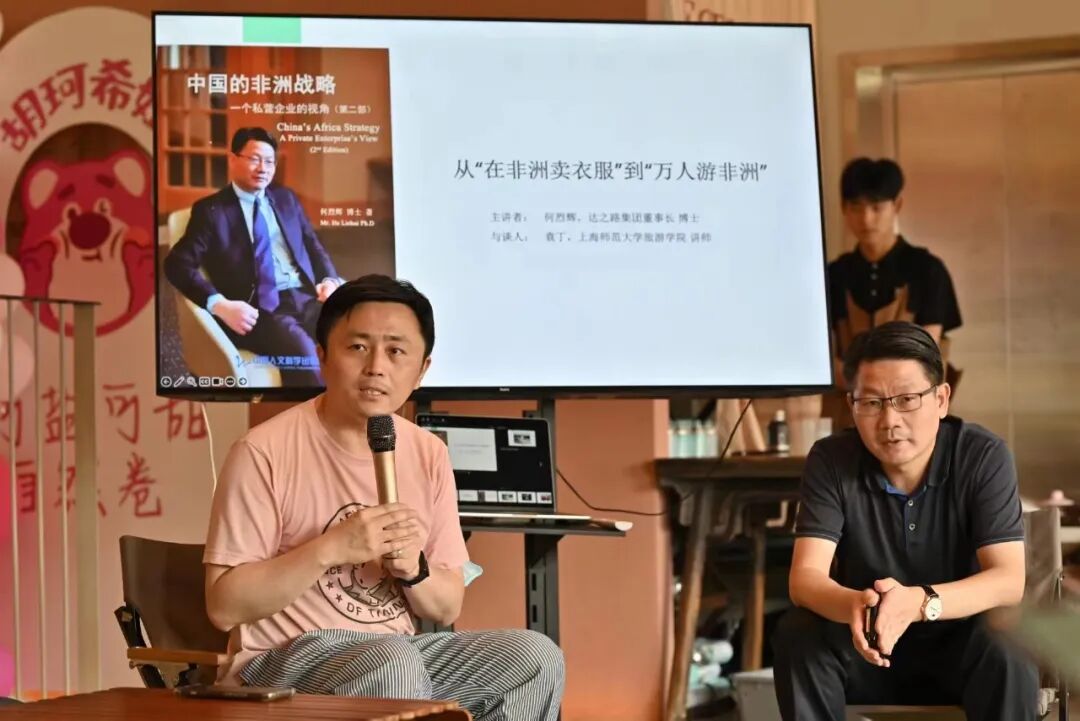
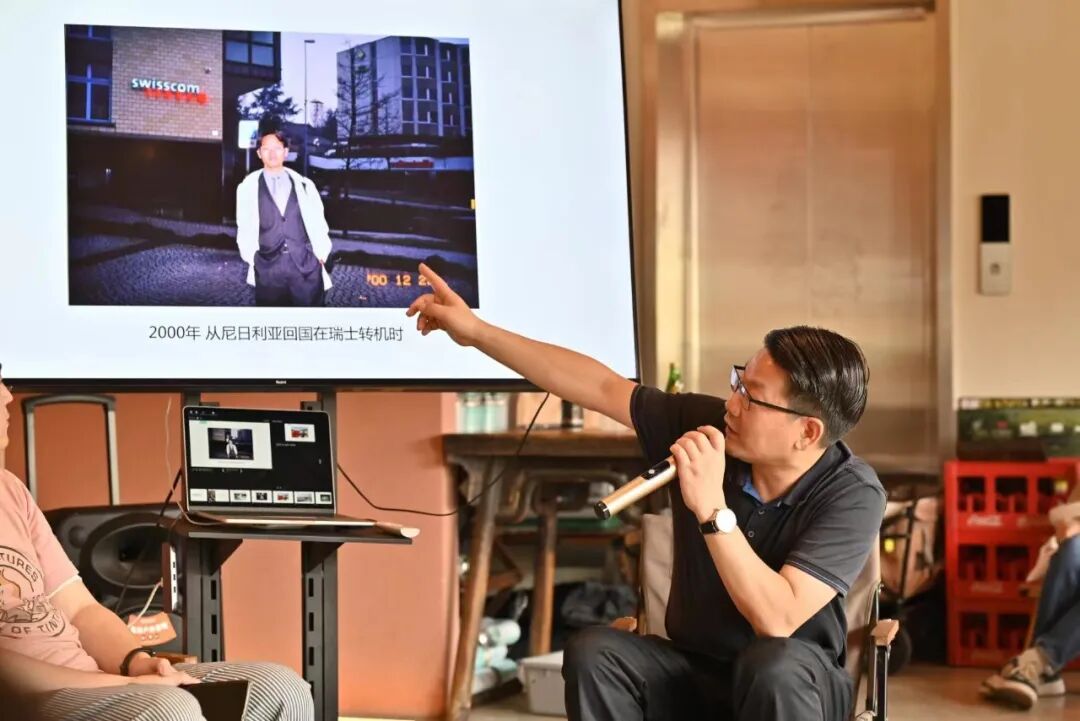
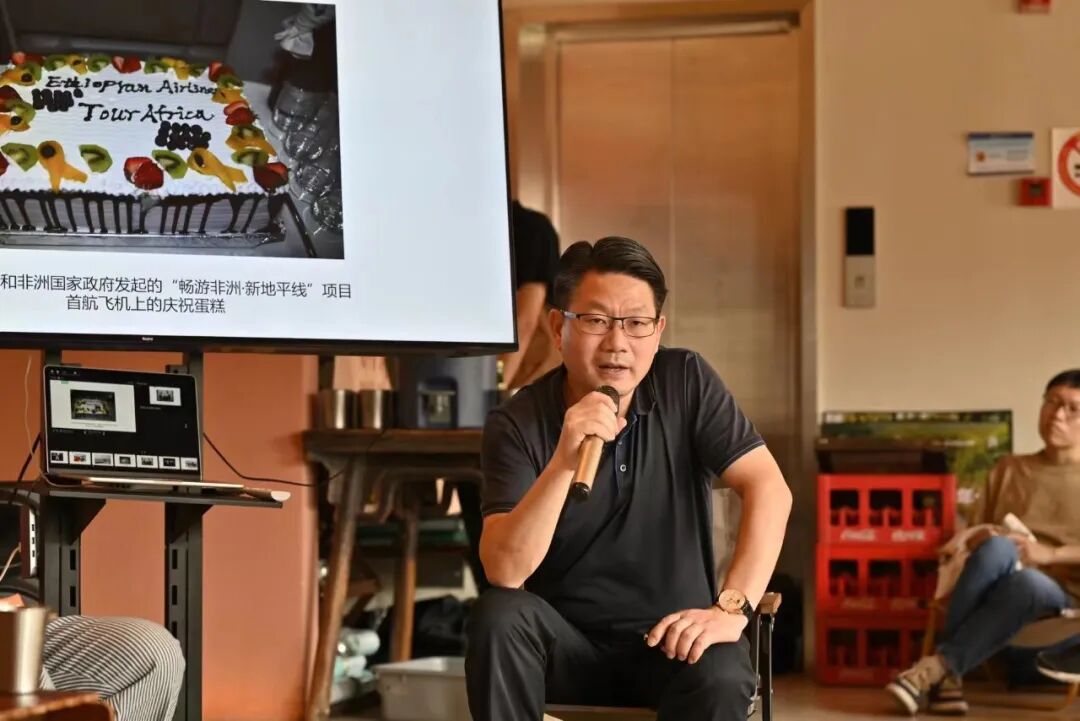
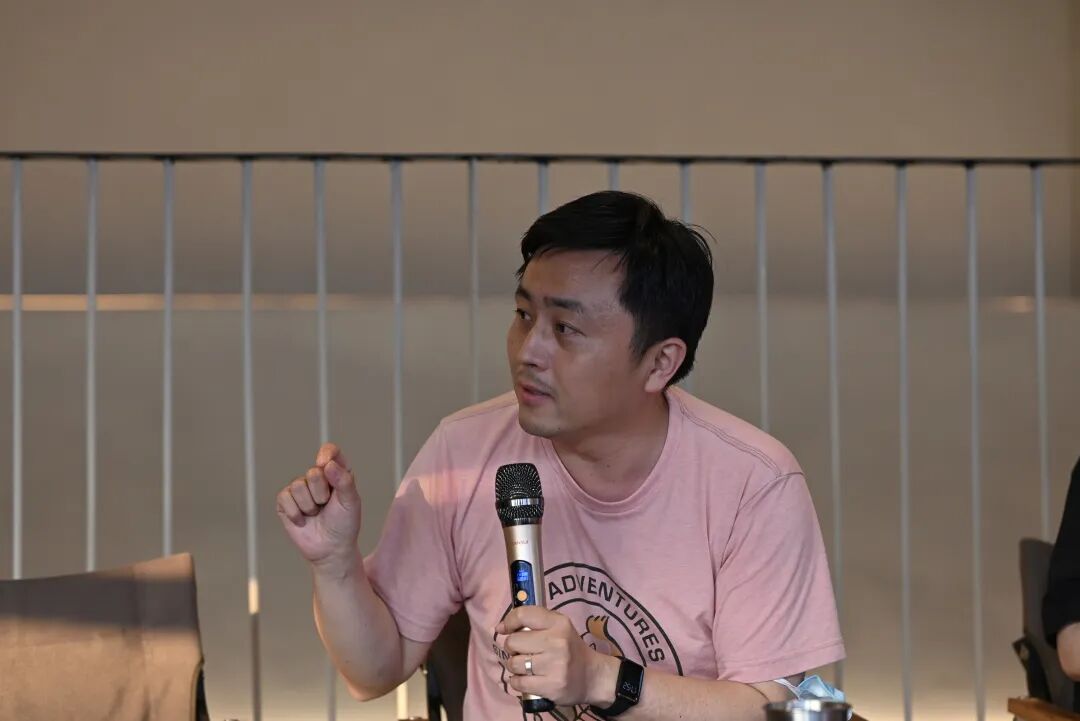
在特邀嘉宾对谈环节,上海师范大学的袁丁老师与达之路集团董事长何烈辉先生交流了关于中非洲旅游的话题。特邀嘉宾何烈辉(博士)是一位中国民营企业家,2009“感动非洲的十位中国人”之一。作为一名长期与非洲交往的民营企业家,何烈辉先生对中非关系有着深刻的认识和体悟,著有《中国的非洲战略:一个私营企业的视角》,以长期在第一线从事中非合作事务人员的视角,展现出他对发展中非贸易的思考。2004年,尼日利亚政府授予何烈辉先生“酋长”头衔;2010年11月17日,津巴布韦政府授予何烈辉“津巴布韦荣誉旅游大使”头衔,以表彰他为促进中国和津巴布韦两国的友好关系所做出的贡献。2015年,何烈辉被吉布提总统任命为吉布提驻华大使馆和驻华大使特别顾问,为中国和吉布提的经贸合作助力。2019年,坦桑尼亚政府任命何烈辉为坦桑尼亚中国旅游亲善大使,以表彰他对中国和坦桑尼亚之间旅游合作的促进。
何烈辉董事长从自己在非洲的创业经历讲起,他提到了非洲的发展,指出非洲并不像部分媒体所描述的那样贫穷落后,而是有着快速发展的经济和科技。他为观众介绍了中国境外游市场发展的几个主要阶段,强调了非洲旅游市场的巨大潜力。非洲游在国内目前成本较高,因而走的是精品优质的高端路线。近几年来对于国内部分高收入群体而言,前往非洲旅游已成为一种趋势。何董事长还介绍了他所负责承办的浙江省文化旅游厅与非洲国家合作的“万人游非洲项目”包机旅游项目。“国之亲在于民相交”,何董事长在最后表达了希望国人多去非洲旅游,多了解非洲大陆的愿望。袁丁老师则从旅游市场发展角度为观众介绍了中国的非洲旅游的政策变化、市场趋势及其特点。
滑动查看更多现场图片
第二场 嘉宾主题演讲
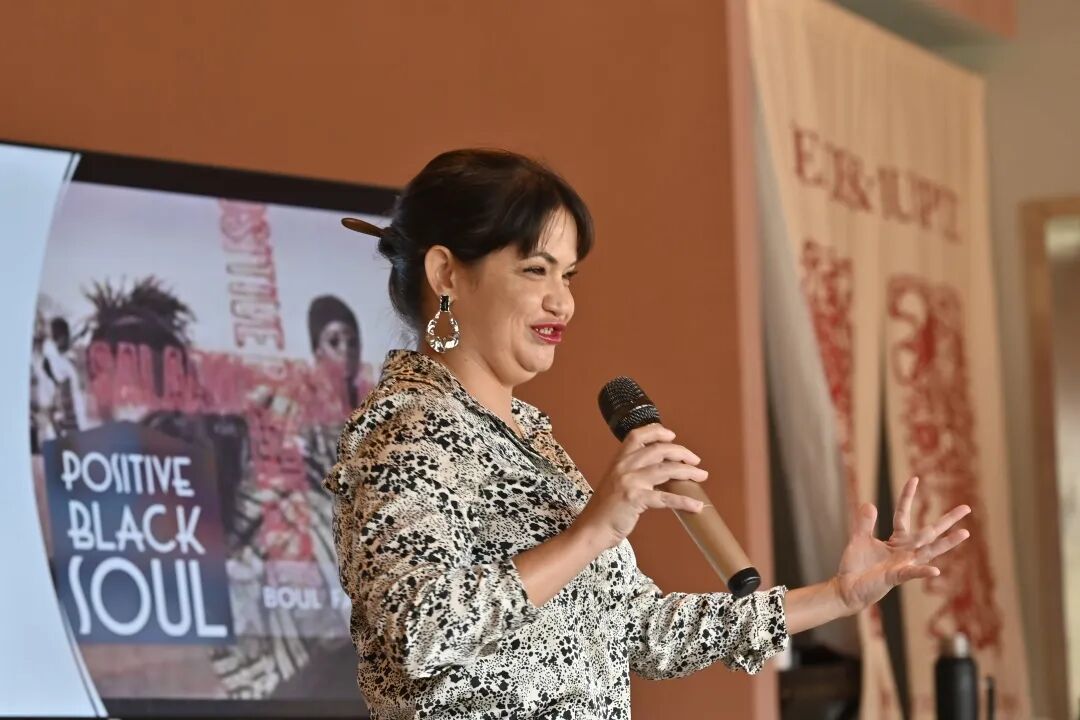
第一位发言的嘉宾是华东师范大学历史学系专职助理研究员Asligul Berktay。Asligul老师是一位非洲主义者和历史学学者,她在塞内加尔生活和研究多年,对塞内加尔历史和文化有深入了解。她的研究关注塞内加尔历史、嘻哈音乐和社会运动的之间的关联。Asligul老师为观众介绍了塞内加尔的嘻哈音乐文化的发展历程以及它在社会活动中的重要作用。她表示嘻哈音乐在塞内加尔成为一个在社会、政治和文化上有影响力的动员和凝聚力工具,通过歌词表达社会问题和政治抗议,并为年轻人提供了一个改变现实的机会。她提到了塞内加尔嘻哈音乐在几次选举和政治变革中的作用,并强调了其对社区组织和社会变革的重要性。近期,塞内加尔的政治局势依然紧张,她预估嘻哈音乐仍会在抗议活动中发挥着重要的作用。
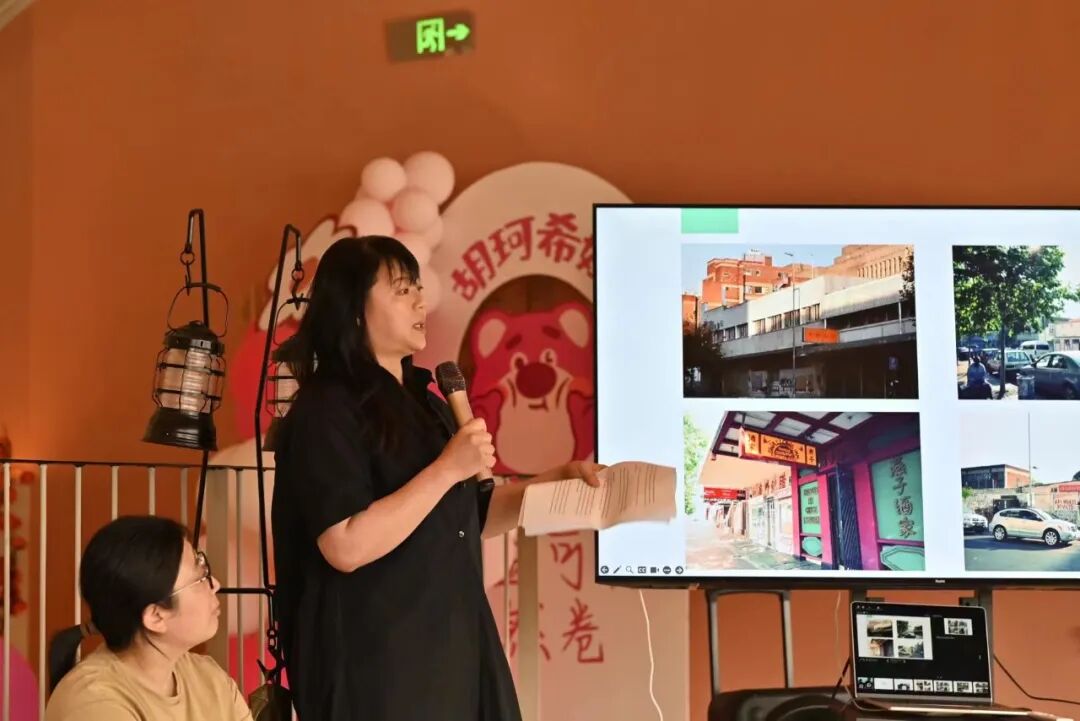
接着发言的是来自华东师范大学Tiffany Liu老师,她对南非当地的中餐行业进行了研究。她指出,在许多地方,经营中餐已经成为华人海外生存的策略之一,因为他们即使不懂当地语言,也可以从事餐饮行业。但是,与顾客进行基本的交流以及了解当地文化和口味仍然很重要。Tiffany分享了她与餐厅业主和员工的互动,以及在南非的中国餐厅用餐经历,并介绍了华人厨师在为中国和非中国顾客制作菜品时的差异。Tiffany老师还提到了南非的中国城和华人社区的发展情况,并介绍了不同区域华人的背景和聚居情况。此外,她还谈到了南非独特的中餐口味,指出南非的中餐相对甜一些,也喜欢使用咸辣味的佐料,与北美和加拿大的中餐有所不同。在演讲中Tiffany还分享了她在南非尝试的一些菜品和餐厅照片,介绍了餐厅厨师们接受的培训和烹饪技巧。
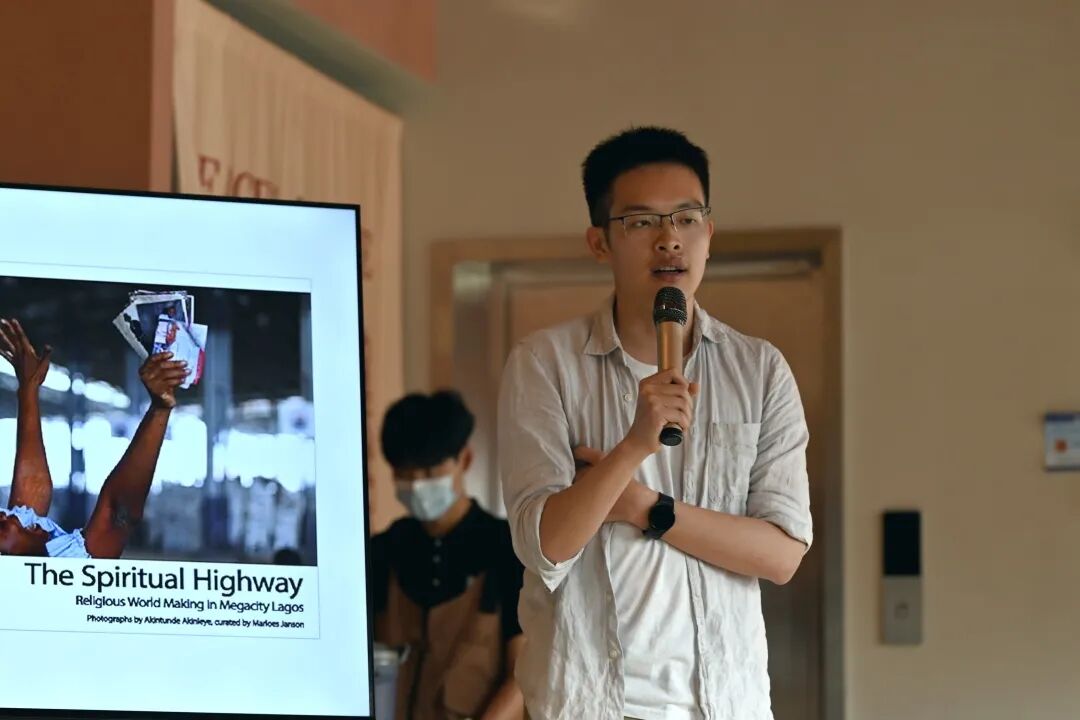
最后发表演讲是佛罗里达大学的博士资格候选人邓哲远,他在演讲中介绍了他探讨尼日利亚拉各斯的宗教生活空间的博士研究课题。他分享了自己在拉各斯的田野经历。拉各斯是尼日利亚西南部的人口超过2000万的大都会,宗教多元,穆斯林、基督徒和传统宗教并存。拉各斯的宗教场所包括教堂、清真寺和神庙,许多宗教海报和标志遍布街头巷尾。他为观众展示了一些他自己拍摄的照片,上面是拉各斯的一些教堂、清真寺和其他宗教场所。他提到拉各斯与伊巴丹之间的高速公路上充斥着大量的祈祷营地,这是因为土地在拉各斯十分昂贵,许多宗教团体开始向高速公路周围购买土地以容纳信徒。他还提到了拉各斯的“救赎城市”(Redemption City),它是一个由救赎基督教会(RCCG)建立的庞大城市组织,拥有许多设施和服务,并吸引了大量的追随者。此外,哲远还介绍了一些尼日利亚的伊斯兰组织,这些组织借鉴了五旬节派教堂的一些技术和方法,并在拉各斯和伊巴丹等地发展壮大。最后,邓哲远探讨了80年代后尼日利亚政府减少公共服务投资后,宗教团体在提供教育和基础设施方面扮演了怎样的角色。
问答
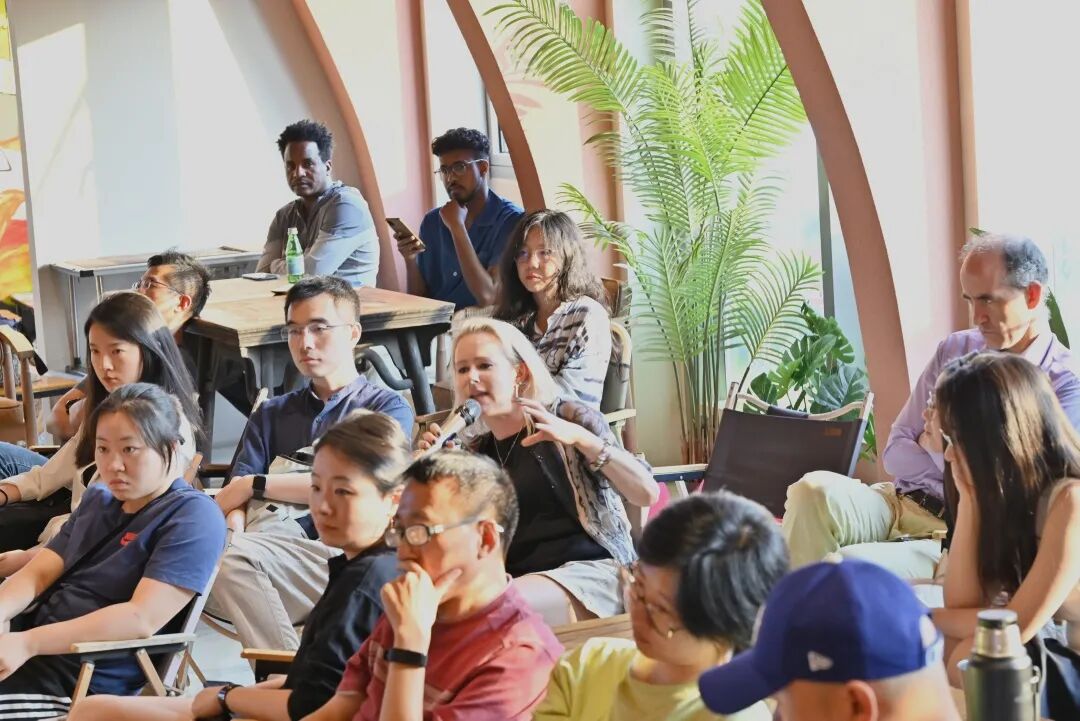
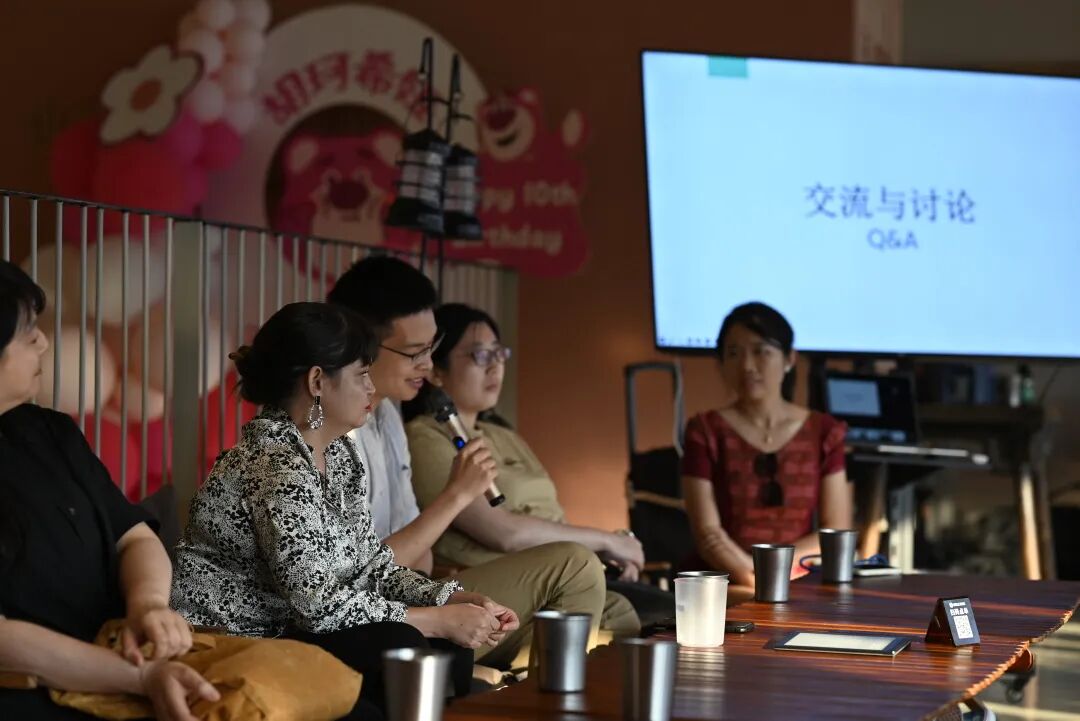
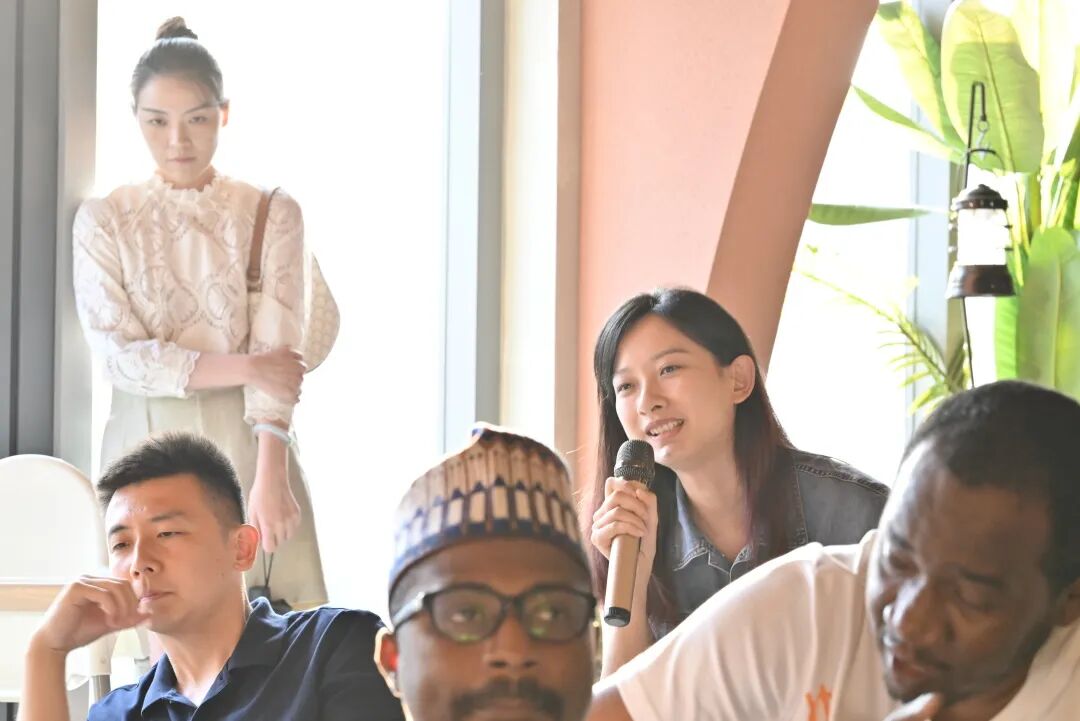
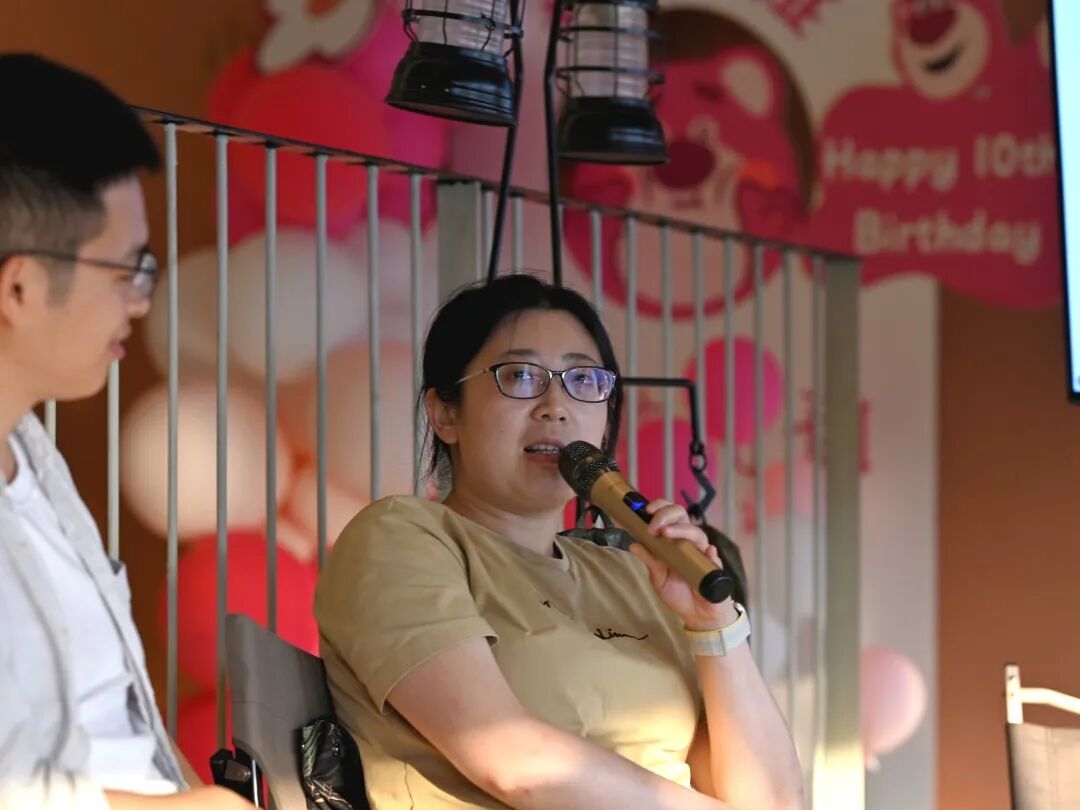
在问答环节,主持人和数位现场观众向发表演讲的嘉宾提出了各自关切的问题,这些问题有的聚焦嘉宾们的研究细节,另一些则是关于非洲生活和旅行的经验。嘉宾们分别做出回应,与大家一起进一步深入交流了非洲的音乐、信仰、食物、商业以及医疗健康问题。最后,这场学术与文化的对话也在热烈的气氛中落下帷幕。
滑动查看更多现场互动
上海中非关系研究网络,是中国人在非洲/非洲人在中国研究网络(Chinese in Africa/Africans in China Research Network,简称CA/AC)的地方网络分会,旨在以批判性和建设性的方式,推动关于中非的全球对话。
Event Summary
On June 10th, the China-Africa Shanghai International Network (CASIN) convened and hosted the second China-Africa Cultural Salon since its establishment. The theme of the salon is Encounter with Urban Lifestyle in Africa. The salon consisted of two parts, including a featured public dialogue and thematic speeches by guest speakers. The event attracted nearly a hundred scholars, students, and professionals who have a passion for Africa and are interested in China-Africa cultural exchanges.
Ms. Lan Qi, the host of this event, is an internet professional and former consultant, as well as an amateur writer. She delivered an engaging introduction and expressed her hope that through this salon, everyone could gain a deeper understanding of African music, food, and religion, and even learn a bit about how to make money in Africa and have more localized experiences during our next visit to the continent.
At the beginning of the event, one of the founding members of CASIN, Dr. Jodie Sun, who is a young associate researcher from the Department of History at Fudan University, introduced the organization to the audience. She provided an overview of the network's activities and goals, stating that CASIN, as the Shanghai branch of the larger research initiative on China-Africa relations called Chinese in Africa/Africans in China Research Network, is dedicated to promoting academic research and interaction with the broader international community. Dr. Sun emphasized that CASIN seeks to bridge the gap between the academic and non-academic communities via activities like cultural activities and writing competitions. She then introduced the other founding members of the CASIN team and their respective research areas, encouraging the attendees to become future speakers at the network's events. Furthermore, Dr. Sun mentioned that CASIN will collaborate with Chinese companies investing in Africa for more interactive activities, including organizing field visits.

During the featured dialogue session, Dr. Yuan Ding from Shanghai Normal University exchanged views on Sino-African tourism with Mr. He Liehui, the Chairman of Touchroad International Holdings Group Ltd. Mr. He, a private entrepreneur from China, was honored as one of the Ten Chinese People Who Touched Africa by the Chinese-African People’s Friendship Association in 2009. With extensive experience working in Africa and with African people, Mr. He possesses profound insights on China-Africa relations. He has authored a book titled China's Africa Strategy: A Private Enterprise's Perspective, which discusses the development of Sino-African trade from the perspective of someone actively engaged in frontline cooperation between China and Africa. In 2004, the Nigerian government bestowed upon Mr. He the title of Chieftain. On November 17, 2010, the Zimbabwean government appointed him as the "Honorary Tourism Ambassador of Zimbabwe" to recognize his contributions to fostering friendly relations between China and Zimbabwe. In 2015, Mr. He was appointed by the President of Djibouti as a special advisor to the Djiboutian Embassy and Ambassador in China, further enhancing economic and trade cooperation between China and Djibouti. In 2019, the Tanzanian government appointed him as the "China Tourism Goodwill Ambassador to Tanzania" to acknowledge his efforts in promoting tourist cooperation between China and Tanzania.
Mr. He began his presentation by sharing his entrepreneurial experiences in Africa. He highlighted the development of the continent, emphasizing that Africa is not as impoverished and backward as portrayed by some media outlets but has been experiencing rapid economic and technological growth. He introduced several key stages of the international development of Chinese tourism and emphasized the immense potential of the tourist industries of African countries. Currently, Chinese tourists going to Africa tend to be organized via high-end and customized services, which induce higher costs. To change the situation that visiting Africa for tourism is reserved for more affluent segments of the Chinese population, Mr. He also introduced the Ten Thousand People Travel to Africa Project, a chartered tourism project organized by the Zhejiang Provincial Department of Culture and Tourism in cooperation with African countries. Mr. He expressed his desire for more Chinese people to travel to Africa and gain a deeper understanding of the continent. From the perspective of tourism market development, Dr. Yuan provided the audience with insights into the policy changes, market trends, and characteristics of Chinese tourism in Africa.
Then the event moved on to the part where invited speakers gave individual talks based on their expertise. The first speaker was Asligul Berktay, an assistant researcher based at the Department of History, East China Normal University. Asligul is an Africanist and historian who has lived and conducted research in Senegal for many years, and she has in-depth understanding of Senegalese history and culture. Her research focuses on the interconnections between Senegalese history, hip-hop music, and social movements. Asligul introduced the development of hip-hop music culture in Senegal and its significant role in social activism.She highlighted how hip-hop has become a powerful mobilization and cohesion tool in the social, political, and cultural spheres of Senegal. Through lyrics, it addresses social issues and political protests, providing young people with an opportunity to bring about sociopolitical changes. She mentioned the role of Senegalese hip-hop music in several elections and political reforms, emphasizing its importance in community organization and social transformation. Given the recent tense political situation in Senegal, she anticipated that hip-hop music would continue to play a crucial role in protest activities.
Next to speak was Tiffany Liu from East China Normal University, who conducted research on the local Chinese restaurant industry in South Africa. She pointed out that operating Chinese restaurants has become one of the survival strategies for overseas Chinese in many places because even without knowledge of the local languages, they can engage in the food and beverage industries. However, basic communication with customers and understanding local cultures and tastes remain important. Tiffany shared insights gained from interacting with restaurant owners and employees, as well as her dining experiences at Chinese restaurants in South Africa. She explained the differences in Chinese chefs' food preparation for Chinese and non-Chinese customers. She also discussed the development of Chinese communities and Chinatowns in South Africa, highlighting the backgrounds and settlement patterns of Chinese residents in different regions. Additionally, she mentioned the unique flavors of Chinese cuisine in South Africa, noting that it tends to be sweeter and combined with a preference for salty and spicy flavors, distinguishing it from Chinese cuisines in North America and Canada. During her presentation, Tiffany also shared some dishes and restaurant experiences she had tried in South Africa, as well as the culinary skills of different chefs.
The final speaker was Zheyuan Deng, a Ph.D. candidate from the University of Florida, who presented his doctoral research on the religious life spaces in Lagos, Nigeria. He shared his field experiences in Lagos, a metropolis in southwestern Nigeria with a population of over 20 million. Here multiple religions coexist, including Islam, Christianity, and traditional religions. Religious spaces in Lagos encompass churches, mosques, and temples, with numerous religious posters and signs adorning the streets. Deng showcased some photographs he had taken, featuring churches, mosques, and other religious sites in Lagos. He also mentioned the proliferation of prayer camps along the highway between Lagos and Ibadan, as land in Lagos is expensive, and many religious groups have started buying land around the highway to accommodate their followers. He also highlighted the Redemption City in Lagos, a massive city organization established by the Redeemed Christian Church of God (RCCG) with various facilities and services, attracting many followers. Furthermore, Deng introduced some Islamic organizations that have drawn inspiration from Pentecostal churches' techniques and methods, and they all experienced growth and development in Lagos and Ibadan. Finally, Deng explored the role played by religious groups in providing education and infrastructure after the Nigerian government reduced public service investments since the 1980s.
During the Q&A session, the moderator and several attendees posed questions regarding the speakers' research details, as well as their experiences of life and travel in Africa. The speakers responded and engaged in further discussions, delving deeper into African music, beliefs, cuisines, businesses, and health issues. Ultimately, this academic and cultural dialogue ended in a lively atmosphere.
-扫描二维码或点击阅读原文-
收听本次沙龙实录
供稿丨王培博
校对丨施东来Flair
编辑丨何婧文
本文首发于 CASIN 微信公众平台。
查看原文 ↗